
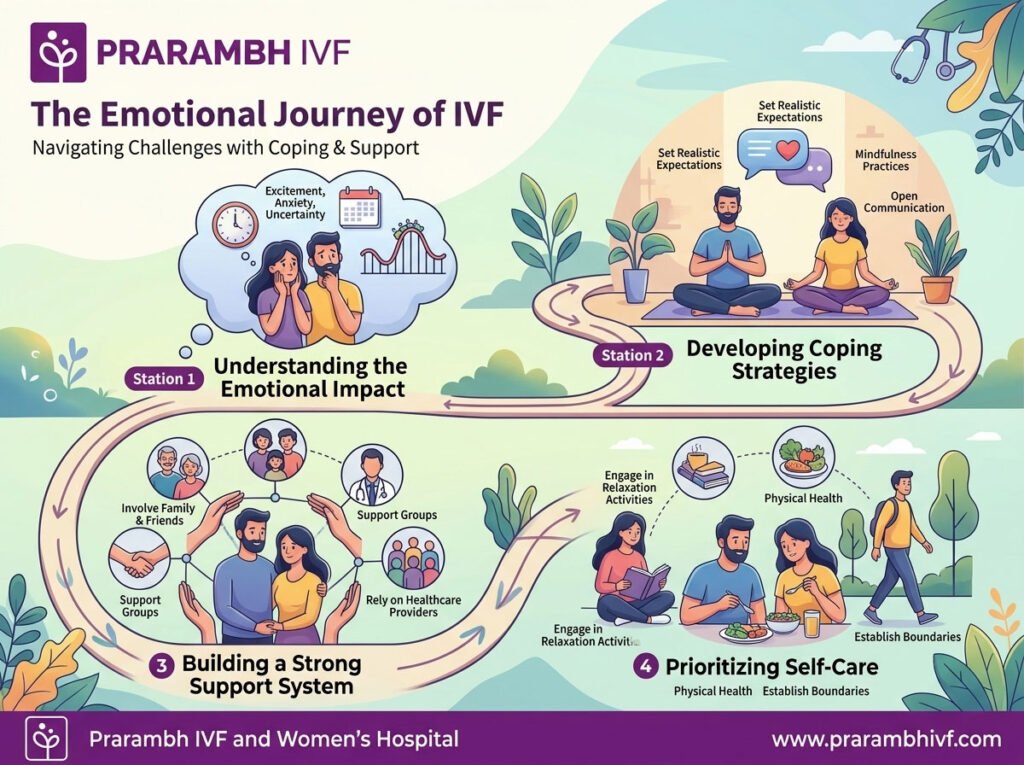
In vitro fertilization (IVF) is a remarkable medical advancement that offers hope to couples struggling with infertility. Despite its potential to create families, the emotional journey of IVF is often fraught with challenges. Understanding these emotional hurdles and learning how to navigate them with effective coping strategies and support systems can make a significant difference for couples undergoing treatment.
Understanding the Emotional Impact of IVF
The IVF process can be emotionally taxing. From the anticipation of starting treatment to the high hopes and uncertainties that follow, couples often experience a wide range of emotions. It is important to acknowledge these feelings as a natural part of the journey. The emotional rollercoaster can include excitement, anxiety, frustration, and even grief at different stages of treatment.
The Emotional Highs and Lows
Each stage of IVF brings its own set of emotional challenges. The initial consultation and testing phase may be filled with hope and anticipation, while the waiting periods between procedures can lead to anxiety and stress. The unpredictability of outcomes can also contribute to feelings of helplessness and disappointment.
Coping with Emotional Stress
Learning how to manage emotional stress is crucial for couples undergoing IVF. Stress can impact not only mental well-being but also the chances of success in the treatment itself. Mindfulness practices, such as meditation and yoga, can be beneficial in reducing stress levels and promoting emotional balance.
Developing Coping Strategies for IVF
Effective coping strategies can help couples navigate the emotional challenges of IVF. These strategies can foster resilience and provide a sense of control over the process.
Setting Realistic Expectations
Understanding that IVF is a complex process with no guaranteed outcomes is essential. Setting realistic expectations can help mitigate disappointment and prepare couples for different scenarios. Open communication with healthcare providers about the chances of success and potential setbacks can also provide clarity.
Maintaining Open Communication
Clear and honest communication between partners is vital throughout the IVF journey. Discussing fears, hopes, and concerns can strengthen the relationship and ensure that both partners feel supported. Regular check-ins with each other can help address emotional needs and maintain connection.
Seeking Professional Guidance
Professional counseling or therapy can offer valuable support for couples dealing with the emotional aspects of IVF. Therapists specializing in fertility issues can provide a safe space to express emotions and develop coping mechanisms. Group therapy or support groups can also connect couples with others experiencing similar challenges.
Building a Strong Support System
Creating a robust support system is crucial for managing the emotional journey of IVF. This network can include friends, family, healthcare providers, and support groups.
Involving Family and Friends
While some couples may choose to keep their IVF journey private, involving trusted family members and friends can provide additional emotional support. Sharing the journey with loved ones can alleviate feelings of isolation and offer a sense of community.
Connecting with Support Groups
Support groups, both online and in-person, can be invaluable resources. They offer a platform for sharing experiences, advice, and encouragement. Being part of a support group can help couples feel understood and less alone in their journey.
Relying on Healthcare Providers
Healthcare providers play a critical role in the IVF process. Building a trusting relationship with them can help couples feel more informed and empowered. Regular consultations and open communication with doctors and nurses can provide reassurance and clarity throughout the treatment.
The Importance of Self-Care During IVF
Amid the emotional and physical demands of IVF, self-care should be a priority. Taking time to nurture oneself can enhance emotional resilience and improve overall well-being.
Engaging in Relaxation Activities
Incorporating relaxation activities into daily routines can help reduce stress and promote emotional balance. Activities such as reading, walking, or engaging in creative hobbies can provide a much-needed escape from the pressures of IVF.
Prioritizing Physical Health
Maintaining a healthy lifestyle can positively impact emotional well-being. Regular exercise, a balanced diet, and adequate sleep are crucial components of self-care. These habits can improve mood, boost energy levels, and support the body during the treatment process.
Establishing Boundaries
Setting boundaries with work, social obligations, and even well-meaning loved ones can help protect emotional energy. Couples should feel empowered to prioritize their needs and take breaks as necessary to recharge.
Conclusion: Navigating the Emotional Journey of IVF
The emotional journey of IVF is a complex path filled with highs and lows. By acknowledging and addressing the emotional challenges, couples can navigate this journey with greater resilience and support. Developing effective coping strategies, building a strong support system, and prioritizing self-care are essential steps in managing the emotional impact of IVF. With the right tools and support, couples can find strength and hope in their quest to build a family.
