
What is IVF?
In-Vitro Fertilization (IVF) is a widely known assisted reproductive technology (ART) that helps individuals or couples struggling with infertility conceive a child. This innovative medical procedure involves fertilizing an egg with sperm outside the body, in a laboratory setting, and then transferring the resulting embryo(s) into the uterus. IVF can be a viable solution for various infertility issues, such as blocked fallopian tubes, endometriosis, or unexplained infertility.
The IVF Process
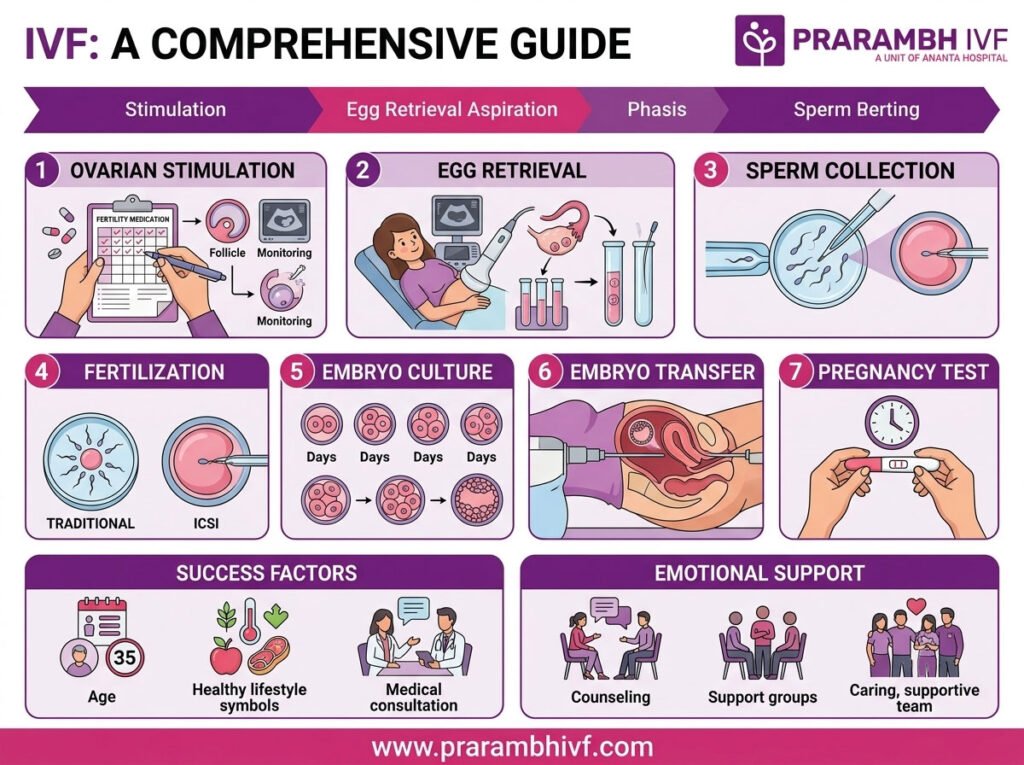
The IVF process typically unfolds in several stages, which can vary depending on the specific circumstances of the patients involved. Here’s a simplified breakdown of the main steps involved:
1. Ovarian Stimulation
The first stage of IVF treatment begins with ovarian stimulation. Fertility medications are prescribed to stimulate the ovaries to produce multiple eggs in one cycle. Monitoring through blood tests and ultrasounds is crucial during this stage to evaluate the response to medications and determine the optimal timing for egg retrieval.
2. Egg Retrieval
Once the eggs are adequately matured, a minor surgical procedure is performed to retrieve them from the ovaries. This procedure is typically done under sedation, and the eggs are collected using a thin needle guided by ultrasound. The whole process is usually completed in a short timeframe, allowing patients to recover quickly.
3. Sperm Collection
On the same day as the egg retrieval, sperm is collected from the male partner or a sperm donor. The sperm is then processed in the laboratory to select the healthiest and most motile sperm for fertilization.
4. Fertilization
The retrieved eggs are combined with the processed sperm in the lab under controlled conditions, allowing fertilization to occur. There are two primary methods for fertilization: traditional insemination, where sperm is introduced to the eggs, and Intracytoplasmic Sperm Injection (ICSI), where a single sperm is directly injected into an egg. The choice between these methods depends on individual circumstances and previous fertility challenges.
5. Embryo Culture
After fertilization, the embryos are monitored for several days as they develop. During this time, embryologists assess the quality and growth of the embryos, determining which ones are healthy and viable for transfer or freezing.
6. Embryo Transfer
The next step is the embryo transfer, usually carried out three to five days after fertilization. One or more healthy embryos are selected and transferred into the uterus using a thin catheter. This procedure is generally painless and does not require anesthesia. Patients are often encouraged to rest for a brief period after the transfer to enhance the chance of implantation.
7. Pregnancy Test
Approximately two weeks after the embryo transfer, a blood test is performed to determine if pregnancy has been achieved. This can be an emotional time, filled with anticipation and hope.
Success Rates and Factors
While IVF can be a highly effective treatment for infertility, success rates can vary based on numerous factors, including age, reproductive history, and the underlying cause of infertility. Younger patients often experience higher success rates, while older patients may find it more challenging to conceive. It’s essential to consult with a fertility expert to discuss individual circumstances and develop a personalized treatment plan.
Considerations and Emotional Support
IVF can be a physically and emotionally demanding journey. Patients often experience a rollercoaster of emotions, from hope to anxiety, particularly with each stage of the process. It’s crucial for individuals and couples to seek emotional support throughout their IVF journey. Fertility clinics often provide counseling services or support groups to help patients navigate this challenging experience.
Conclusion
IVF offers a beacon of hope for many individuals and couples facing fertility challenges. Understanding the IVF process can empower prospective parents to feel informed and supported as they embark on their fertility journey. With advancements in reproductive technology and a compassionate care team, many people are realizing their dreams of parenthood through IVF. If you’re considering IVF, consult with a reputable fertility clinic to explore your options and find the best path forward.
