
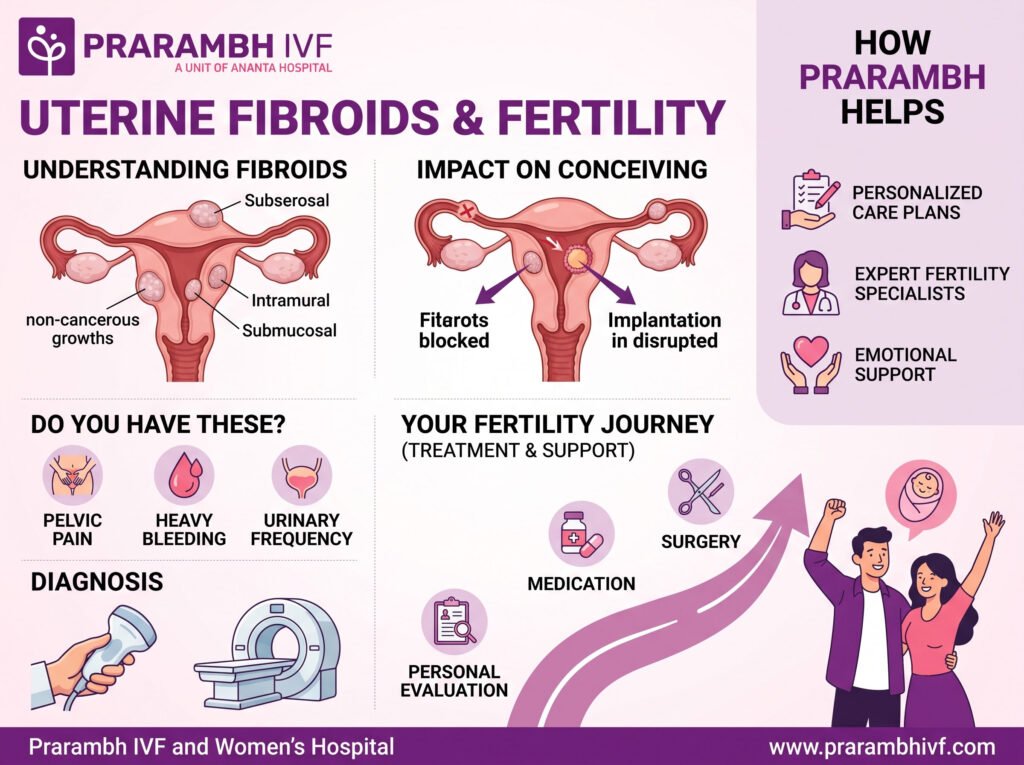
Understanding Uterine Fibroids
Uterine fibroids are non-cancerous growths that develop in or on the uterus and can vary in size. While many women experience fibroids during their reproductive years, they are often unaware of these growths until they begin to notice symptoms or difficulties in conceiving. Understanding how fibroids impact fertility is crucial for those trying to conceive.
The Impact of Uterine Fibroids on Fertility
Uterine fibroids can potentially impact a woman’s ability to conceive, depending on their size, location, and number. When fibroids are located within the uterine cavity (submucosal fibroids), they are more likely to interfere with implantation, disrupt uterine function, and cause irregular bleeding. On the other hand, fibroids located outside the uterus (subserosal fibroids) typically have a lesser effect on fertility.
Many women with fibroids can conceive without issue; however, some may face challenges due to these growths. For example, large fibroids can distort the shape of the uterus or block the fallopian tubes, which can lead to difficulties in getting pregnant. Understanding the unique circumstances surrounding your fibroids is essential for assessing their impact on your fertility.
Symptoms and Diagnosis of Uterine Fibroids
Women with uterine fibroids might not experience any symptoms at all, while others may suffer from heavy menstrual bleeding, pelvic pain, or frequent urination. If you suspect that you have fibroids, it’s essential to consult with a healthcare provider. They can perform imaging tests, such as ultrasounds or MRIs, to confirm the presence of fibroids and assess their size and location.
Treatment Options for Uterine Fibroids
If fibroids are found to be impacting fertility, your healthcare provider may recommend treatments ranging from medication to surgery. Medications can help manage symptoms, while surgical options may be considered to remove fibroids or even the entire uterus in severe cases. The choice of treatment will depend on various factors, including the severity of symptoms, your age, and your fertility goals.
How Prarambh IVF & Fertility Center Can Help You
At Prarambh IVF & Fertility Center, we understand the unique challenges that uterine fibroids can pose for women trying to conceive. Our experienced fertility specialists are dedicated to providing personalized treatment plans tailored to your specific needs. We begin by conducting comprehensive evaluations, including diagnostic imaging and hormone testing, to ascertain the size and impact of any fibroids present. This thorough approach allows us to recommend treatments that align with your reproductive goals, whether they involve medication, surgery, or assisted reproductive technologies.
Moreover, we value transparent communication and emotional support at every step of your fertility journey. Our team is here to guide you through your options, ensuring you understand the implications of your fibroids and the treatments available. We take the time to listen to your concerns and answer any questions, fostering a supportive environment where you can feel comfortable discussing your needs.
At Prarambh IVF & Fertility Center, we believe in empowering our patients with the knowledge they need to make informed decisions about their health. Our commitment extends beyond just medical treatment; we are here to support you mentally and emotionally throughout the process, helping you navigate any feelings of anxiety or uncertainty that can accompany fertility challenges.
Conclusion
Uterine fibroids can pose challenges for those trying to conceive, but understanding your individual circumstances and options is key to overcoming these hurdles. If you have concerns about how fibroids may be affecting your fertility, we encourage you to reach out to us at Prarambh IVF & Fertility Center. Our team is here to provide you with the support and care you need during this important time.
