
Introduction
In the world of reproductive medicine, the terms IVF (In Vitro Fertilization) and ICSI (Intracytoplasmic Sperm Injection) are frequently mentioned. While both are assisted reproductive technologies aimed at helping couples achieve pregnancy, they serve different purposes and are used in various circumstances. Understanding the differences between ICSI and IVF can guide patients in making informed decisions about their fertility journey.
What is IVF?
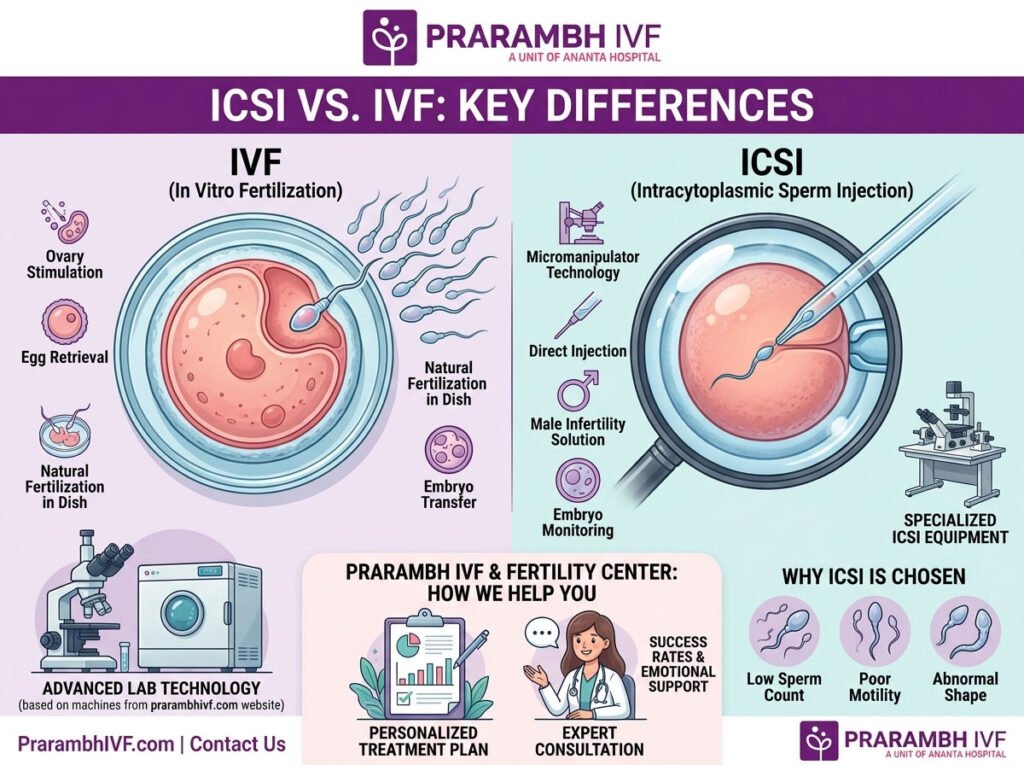
In Vitro Fertilization, or IVF, is a process that involves stimulating the ovaries to produce multiple eggs, retrieving those eggs, and fertilizing them with sperm in a laboratory setting. Once fertilization occurs, the resulting embryos are monitored for growth and development before being transferred back into the uterus. IVF can be recommended for a variety of infertility issues, including blocked fallopian tubes, ovulation disorders, or unexplained infertility.
What is ICSI?
Intracytoplasmic Sperm Injection, or ICSI, is a specialized form of IVF. It involves the direct injection of a single sperm into a mature egg using a fine glass needle. ICSI is particularly beneficial in cases of male factor infertility, where there may be low sperm count, poor motility, or abnormal sperm shape. By injecting sperm directly into the egg, ICSI bypasses many barriers to fertilization, enhancing the chances of successful conception.
Key Differences Between ICSI and IVF
While both IVF and ICSI are integral to assisted reproduction, their techniques and applications differ significantly. The primary distinction lies in fertilization. IVF relies on the natural processes of fertilization occurring in the lab, while ICSI involves a precise injection of sperm into the egg. Furthermore, ICSI is often chosen when previous IVF attempts have failed due to fertilization issues, or when the male partner has identified fertility challenges.
Success Rates
Success rates for both IVF and ICSI can vary based on numerous factors including age, underlying fertility issues, and the clinic’s specific protocols. Generally, ICSI is used when there are concerns regarding sperm quality, and its implementation can lead to greater fertilization rates in such scenarios. However, it’s important to remember that success is not solely dependent on the technique used but also on individual health conditions and any pre-existing fertility challenges.
How Prarambh IVF & Fertility Center Can Help You
At Prarambh IVF & Fertility Center, we understand that navigating the world of fertility treatments can be overwhelming. That’s why we offer personalized treatment plans tailored to each patient’s unique needs and circumstances. By carefully assessing your specific situation, our experienced fertility specialists ensure that you receive the most appropriate and effective treatment, whether it involves IVF, ICSI, or a combination of both.
Our team prioritizes transparent communication, empowering you with all necessary information regarding the processes involved in ICSI and IVF. We encourage questions and discussions, ensuring that you feel comfortable and informed at every step of your journey. Moreover, we recognize the emotional toll that infertility can take, which is why we provide dedicated emotional support through counseling services and support groups, helping to foster a nurturing and supportive environment for our patients.
Making the Right Choice for You
Choosing between IVF and ICSI can feel daunting, but understanding the differences and how they apply to your specific situation can help ease this process. Consulting with a qualified fertility specialist who can provide insights based on your health and medical history is vital. Remember, this journey is unique to you, and with the right information and support, you can make empowered decisions.
Conclusion
If you have questions about ICSI versus IVF or would like to explore your options further, we encourage you to reach out to us at Prarambh IVF & Fertility Center. Our goal is to assist you on your path to parenthood with compassion, expertise, and support. We’re here to help you navigate your fertility journey. Get in touch today!
