
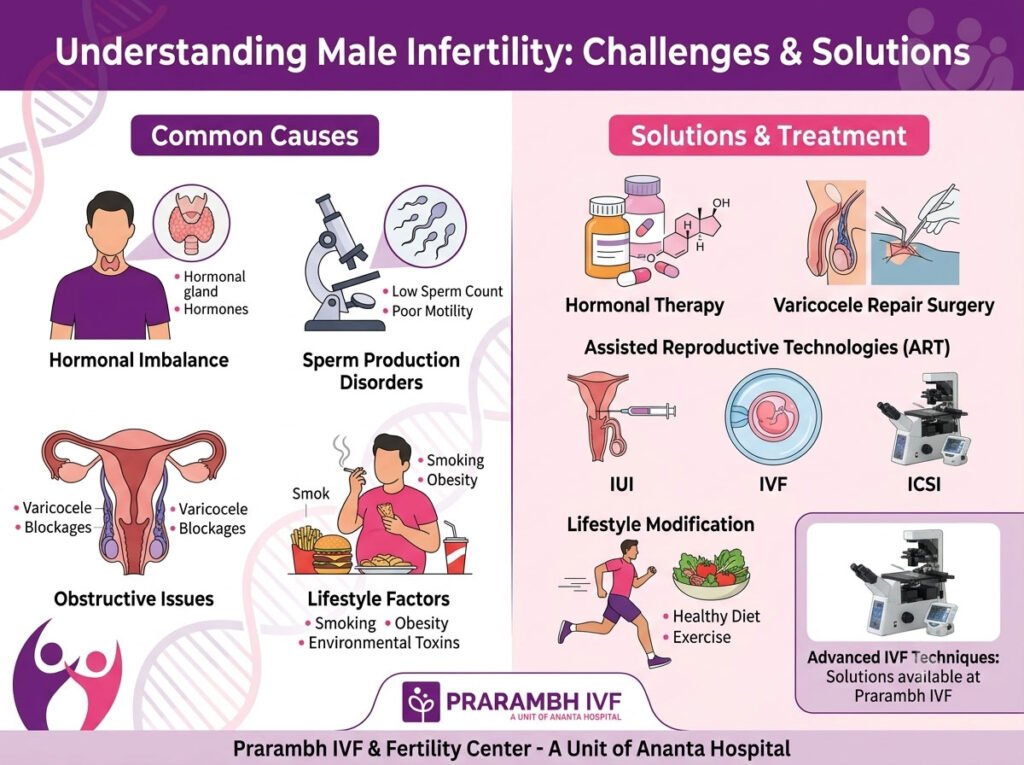
Understanding Male Infertility
Male infertility is a complex issue that affects numerous couples trying to conceive. Unlike the commonly discussed female infertility, male infertility often remains unnoticed, underestimated, and stigmatized. Men can face various factors that inhibit their ability to contribute to conception, including hormonal imbalances, genetic conditions, anatomical irregularities, or even lifestyle choices. It’s essential for couples to understand that infertility can be a shared journey, regardless of gender, and that seeking help is crucial for both partners.
Common Causes of Male Infertility
Male infertility can stem from a range of medical and lifestyle factors. Common causes include:
- Sperm Production Disorders: Conditions such as low sperm count (oligospermia), non-viable sperm (asthenozoospermia), or sperm absence (azoospermia) significantly affect fertility.
- Hormonal Imbalances: Hormonal issues involving the hypothalamus, pituitary gland, or testicles can disrupt sperm production. Conditions like hypogonadism can lead to lower testosterone levels, affecting fertility.
- Obstructive Issues: Anatomical problems in the reproductive tract can prevent sperm from being released. Conditions such as vasectomy or congenital absence of the vas deferens fall under this category.
- Lifestyle Factors: Poor diet, excessive alcohol consumption, smoking, drug use, and obesity can adversely impact sperm quality and production. Environmental exposures to toxins or radiation can also contribute to infertility.
Recognizing the Symptoms
Understanding the signs of male infertility can empower men to seek assistance sooner. Common symptoms to watch for include:
- Low libido or sexual dysfunction
- Gynecomastia (enlarged breast tissue)
- Issues with erections or ejaculation
- Pain, swelling, or lumps in the testicular area
- History of infertility with previous partners
It’s vital for men experiencing these symptoms to consult a healthcare professional who specializes in reproductive health. Early intervention can make a significant difference in outcomes.
Diagnosis of Male Infertility
Diagnosing male infertility typically involves several steps, including a thorough medical history, physical examination, and a semen analysis. The semen analysis evaluates the number, motility, and morphology of sperm. In some cases, additional tests may be necessary, such as hormonal testing, imaging of the reproductive organs, or genetic testing. These assessments help pinpoint the underlying causes of infertility and guide treatment options.
Treatment Options for Male Infertility
Depending on the diagnosis, various treatment options are available to help couples conceive. Common treatments include:
- Medications: Hormonal treatments can help restore testosterone levels, improve sperm production, and treat underlying conditions.
- Surgery: Surgical interventions may be necessary to repair varicocele, correct anatomical abnormalities, or retrieve sperm directly from the testicles.
- Assisted Reproductive Technologies: Techniques such as intrauterine insemination (IUI) or in vitro fertilization (IVF) can facilitate conception by bypassing certain barriers to sperm function.
- Lifestyle Changes: Adopting a healthier lifestyle can improve sperm quality. Recommendations may include a balanced diet, regular exercise, quitting smoking, and limiting alcohol intake.
Emotional Impact of Male Infertility
The emotional toll of infertility can be profound, often leading to feelings of shame, inadequacy, and anxiety. Many men may struggle to cope with the societal pressure regarding their fertility status. It’s crucial for partners to communicate openly about their feelings and experiences during this challenging time. Support groups, counseling, and seeking education about infertility can alleviate isolation and foster resilience.
How Prarambh IVF & Fertility Center Can Help You
At Prarambh IVF & Fertility Center, we understand the unique challenges posed by male infertility. Our dedicated team of experienced fertility specialists is committed to providing personalized treatment plans tailored to the specific needs of each patient. We believe that every case is unique and requires a comprehensive approach, ensuring that both partners feel supported and involved in their treatment journey.
We excel in transparent communication, where we take the time to explain the diagnosis, treatment options, and expected outcomes in an approachable manner. Our specialists are here to answer questions, address concerns, and provide emotional support, creating a nurturing environment for our patients. Additionally, we offer resources to help couples navigate the emotional landscape of infertility, fostering a supportive community where you can feel understood.
By choosing Prarambh IVF, you are partnering with a team that values your emotional well-being and provides expert guidance for overcoming the hurdles of male infertility. Our goal is to empower you with knowledge and options, ensuring you never feel alone on this journey.
Conclusion
Understanding and addressing male infertility is the first step in overcoming the challenges of conceiving. If you or your partner are facing difficulties, don’t hesitate to seek help from a trusted fertility specialist. At Prarambh IVF & Fertility Center, we are here to support you every step of the way. We encourage you to book a consultation with us today and take the first step towards realizing your dream of parenthood.
