
What Are Blocked Fallopian Tubes?
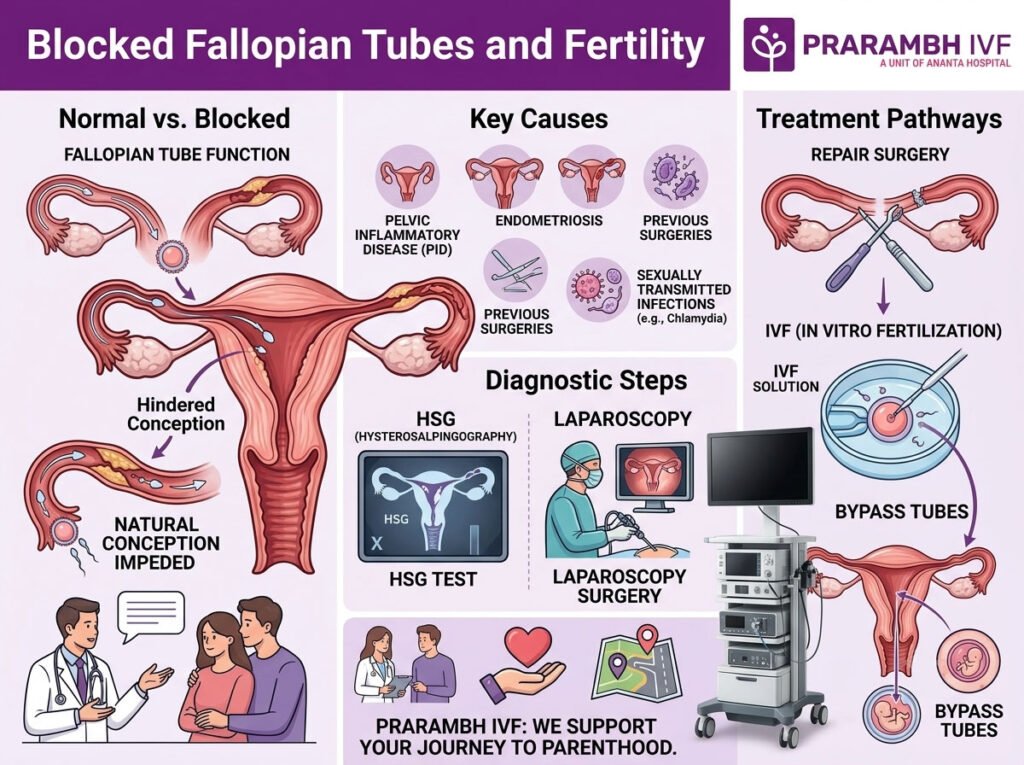
Blocked fallopian tubes are a common cause of infertility in women. The fallopian tubes, which connect the ovaries to the uterus, play a crucial role in conception. They allow sperm to meet the egg, and they also transport the fertilized egg to the uterus for implantation. When these tubes are blocked, it can hinder natural conception and lead to challenges in achieving pregnancy.
What Causes Blocked Fallopian Tubes?
Several factors can contribute to the blockage of fallopian tubes. Common causes include pelvic inflammatory disease (PID), endometriosis, previous surgeries in the pelvic region, and sexually transmitted infections like chlamydia and gonorrhea. Additionally, conditions such as fibroids or adhesions can also lead to blockage. Understanding the underlying cause of the blockage is essential for determining the appropriate treatment options.
Symptoms of Blocked Fallopian Tubes
Many women with blocked fallopian tubes may not experience noticeable symptoms. For some, the first indication of a problem may be difficulty conceiving after trying for a year or more. For others, symptoms associated with the underlying causes, such as pelvic pain or irregular menstrual cycles, may occur. If you suspect you have blocked tubes, consulting with a <a href=”https://www.prarambhivf.com/contact-us/”>fertility specialist is essential for a proper diagnosis and treatment plan.
Diagnosis of Blocked Fallopian Tubes
Diagnosing blocked fallopian tubes typically involves several steps. A healthcare provider may start with a thorough medical history and physical examination. Common diagnostic tests include hysterosalpingography (HSG), where a special dye is injected into the uterus and fallopian tubes to check for blockages, and laparoscopy, a minor surgical procedure allowing direct visualization of the reproductive organs. These tests can help identify the best course of action for treatment.
Treatment Options
Treatment for blocked fallopian tubes depends on the severity and cause of the blockage. Options may include surgery to remove the blockage or repair the tubes. In some cases, assisted reproductive technologies like in vitro fertilization (IVF) may be recommended if the blockage is severe or if surgery is not successful. IVF bypasses the fallopian tubes altogether, allowing for direct fertilization of the egg outside the body before transferring the embryo to the uterus.
How Prarambh IVF & Fertility Center Can Help You
At Prarambh IVF & Fertility Center, we understand the emotional and physical impact that blocked fallopian tubes can have on your journey to parenthood. Our experienced fertility specialists are dedicated to helping you navigate this challenging experience. We offer personalized treatment plans tailored to your unique situation, ensuring that you receive the most effective care possible. From initial diagnosis to treatment options, we prioritize crafting a strategy that suits your specific needs.
Communication is key during your fertility journey, and our team emphasizes transparent communication every step of the way. You will never feel alone in this process, as we provide comprehensive guidance and are always available to address your questions and concerns. In addition to medical support, we recognize the importance of emotional well-being. Our compassionate staff is here to provide emotional support, helping you build resilience during a potentially overwhelming time.
Conclusion
Understanding the challenges posed by blocked fallopian tubes is the first step towards finding a solution and achieving your dream of parenthood. If you’re facing difficulties conceiving, it’s essential to consult with a fertility specialist who can guide you through your options. At Prarambh IVF & Fertility Center, we are committed to supporting you with personalized care, expert guidance, and emotional support. Please feel free to reach out to us to discuss your situation and explore how we can assist you on this journey.
