
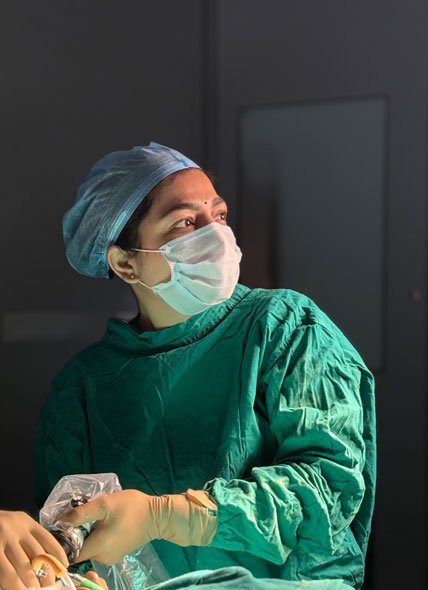
Dr. Komal Unadkat, MBBS, DNB (Obstetrics & Gynaecology), FIRM, is a dedicated Reproductive Medicine Specialist at Prarambh IVF & Women’s Hospital (A unit of Ananta Hospital), located in Nikol, Ahmedabad.
With expertise in comprehensive fertility care, Dr. Komal specializes in the evaluation and treatment of infertility, offering advanced therapies such as IUI, IVF, ICSI, and Fresh/Frozen Embryo Transfers. The center also provides Andrology services including semen analysis and preparation, and cutting-edge fertility preservation techniques like social egg freezing, sperm freezing, and embryo cryopreservation.
Dr. Komal is also proficient in minimally invasive surgeries like laparoscopy, hysteroscopy, TESA, and TESE, offering a complete range of diagnostic and therapeutic interventions under one roof. Additionally, she manages medical and surgical treatment of conditions such as PCOS, endometriosis, and various gynecological disorders, ensuring holistic women’s healthcare.
We leverage world-class reproductive technology and clinical expertise to provide a comprehensive suite of effective fertility treatments.
Our mission is to bring hope to aspiring parents by offering advanced, compassionate, and personalized fertility care. We are dedicated to making the dream of parenthood a reality for every couple.
Our vision is to empower every couple with personalized fertility solutions, making parenthood a reality through clinical excellence and compassionate care.

At Prarambh IVF and Women’s Hospital, we understand that every journey to parenthood is unique and deeply personal. With compassionate care, state-of-the-art facilities, and advanced reproductive technology, we are dedicated to supporting you every step of the way toward fulfilling your dream of starting a family.
Our IVF process is designed to be clear, supportive, and stress-free. From your initial consultation to your successful pregnancy test.
As part of the initial process, the fertility specialist often recommends birth control pills or estrogen to prevent the formation of ovarian cysts and control the timing of the menstrual cycle. This process helps align the growth of follicles to achieve a good number of mature eggs.
The next step of the procedure involves stimulation of the ovaries to encourage a group of eggs to mature simultaneously and fully, unlike naturally, where only one egg becomes mature enough to ovulate.The steps involved here are:
A. Injectable hormone medication:
Injecting stimulating hormones after assessing the type, dosage and frequency of medication based on the individual’s medical history, age, and AMH.
B. Monitoring:
Assessing the ovaries’ response to the medications through serial transvaginal ultrasounds and monitoring blood hormone levels.
C. Trigger shot:
After the eggs are ready for final maturation as determined by ultrasound and hormone levels in the above step, the specialist gives a “trigger shot” to finalise the maturation of eggs in preparation for egg retrieval.
The fertility specialist performs the egg retrieval 35-36 hours after the last hormone injection or administers the trigger. They carefully retrieve the matured eggs from a woman’s ovaries using a thin needle under anaesthesia or conscious sedation. Then, they place the eggs in a dish and store them in an incubator.
After successfully retrieving eggs, an embryologist will fertilise all mature eggs using intracytoplasmic sperm injection or the ICSI method. After a successful fertilisation process, the fertilised egg will become an embryo.
They will carefully monitor the fertilised eggs for successful embryo development over the next four to five days. Generally, only about half of the fertilised oocytes progress to the blastocyst stage. This stage is most suitable for transfer to your uterus. Once the blastocyst stage is achieved, the embryos are ready for fresh or frozen embryo transfer.
There are two methods – fresh and frozen embryo transfer. Your fertility specialist will recommend which of the two methods is the most suitable for you. Fresh embryo transfer involves inserting the embryo in the uterus between three and five days after the egg retrieval procedure. A frozen embryo transfer means inserting frozen embryos from a previous IVF cycle or donor eggs.
When the inserted embryo implants itself into the lining of a woman’s uterus – pregnancy is considered achieved. Approximately nine to 14 days after embryo transfer, the fertility specialist will run blood tests to confirm the same.
By combining world-class reproductive science with a compassionate approach, we offer comprehensive fertility solutions tailored to your unique journey.
With a commitment to excellence and cutting-edge reproductive technology, We offers.

We don’t just focus on numbers—we focus on people. Every milestone represents a family we’ve helped, a challenge we’ve overcome, and a journey we’ve shared with our patients.

With a commitment to excellence and cutting-edge reproductive technology, We offers a comprehensive range of fertility treatments.
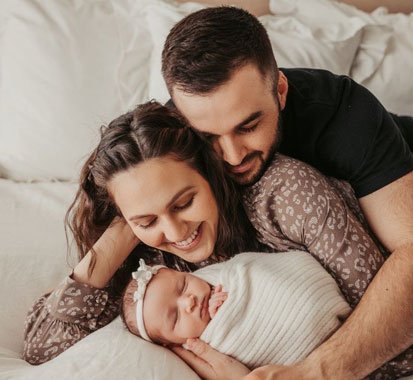
Our clinic provides all-inclusive fertility care under one roof, featuring expert counseling, transparent pricing, andrology, cryopreservation, and advanced laboratory and radiology services.
Our board-certified reproductive specialists and senior embryologists deliver realistic success rates through expert care, advanced technology, and honest, personalized guidance.
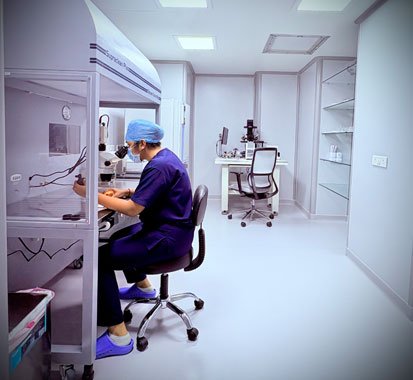
Class 10k (clean room standard) IVF lab with advanced medical grade equipments.
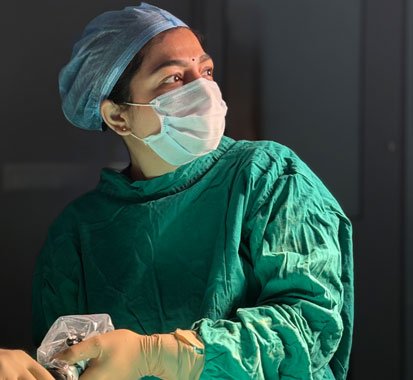
Modular operation theatres for IVF procedures and laparoscopic surgeries.
At the heart of everything we do is a deep understanding that every fertility journey is unique, emotional, and life-changing. Whether you’re just beginning to explore. our team of experienced fertility specialists, embryologists.

Our experienced IVF specialists, nurses, and support staff are here to guide you with compassion, expertise, and personalized care every step of the way.


“A Journey From Tears to Joy” After countless failed attempts elsewhere, we found hope a . Dr. Meera support and precision changed everything.
“A Journey From Tears to Joy” After countless failed attempts elsewhere, we found hope a . Dr. Meera support and precision changed everything.
“A Journey From Tears to Joy” After countless failed attempts elsewhere, we found hope a . Dr. Meera support and precision changed everything.
“A Journey From Tears to Joy” After countless failed attempts elsewhere, we found hope a . Dr. Meera support and precision changed everything.

Find clear, trusted answers to the most common questions about IVF—designed to guide and support you every step of the way.
An IVF cycle generally takes four to six weeks, from initial hormone stimulation through the embryo transfer.
Many couples succeed within one to three cycles, though age and individual health factors influence outcomes.
Success rates vary by age, typically ranging from 50% for younger women to 15% for those over forty.
Yes, IVF safely incorporates donor eggs or sperm, offering a vital path to parenthood for many couples.
Maintaining a healthy weight, avoiding smoking and excess alcohol, taking prescribed supplements, managing stress, and following clinic instructions on medicines and timing can all support better outcomes.
Book your consultation with our fertility experts the first step toward your parenthood journey.
2nd floor, Ananta hospital, New India Colony, Nikol, Cinemas, Ahmedabad, Gujarat 380049