
Understanding IVF and the Importance of Blastocyst Transfer
In vitro fertilization (IVF) has transformed the way couples striving to conceive can approach their family-building journey. A crucial component of this process is the blastocyst transfer, which can occur on either Day 3 or Day 5 post-fertilization. Understanding the differences between these two options can empower patients to make informed decisions about their fertility treatment.
What is a Blastocyst?
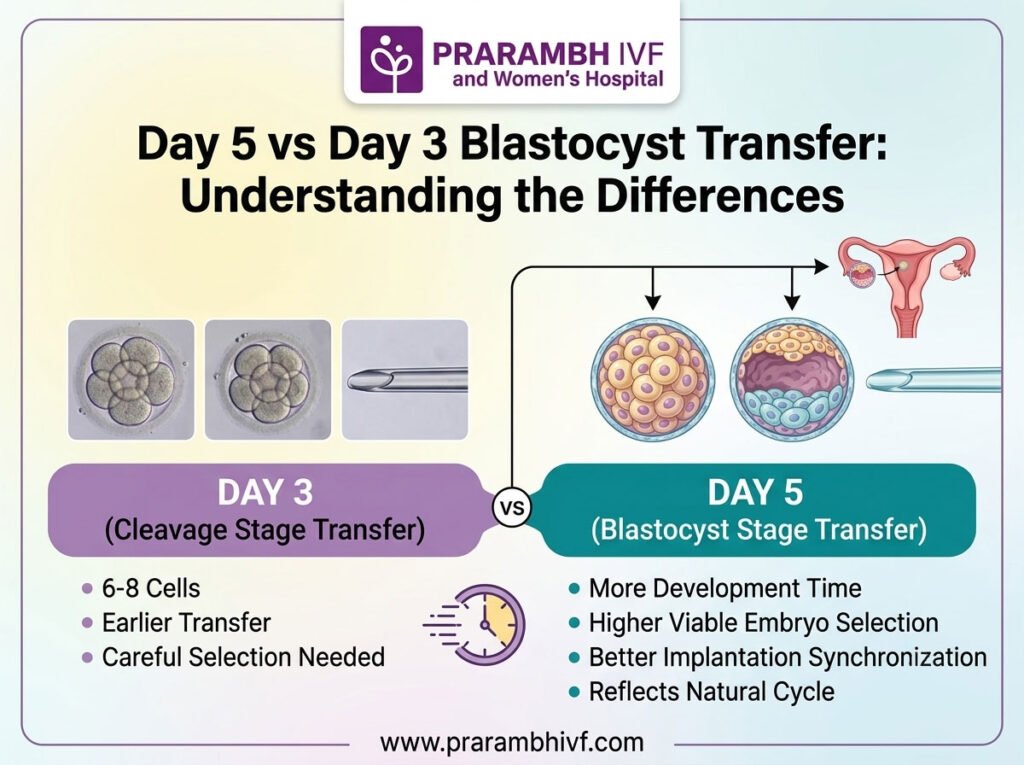
A blastocyst is an advanced stage of embryo development that occurs around five to six days after fertilization. At this stage, the embryo has formed a fluid-filled cavity and has developed into two distinct cell types: the inner cell mass, which will eventually become the fetus, and the trophoblast, which will become the placenta. In contrast, a Day 3 embryo has only 6 to 8 cells and has not yet reached the more advanced blastocyst stage.
Day 3 Transfers: The Basics
During a Day 3 transfer, embryos are typically transferred when they are at the cleavage stage. This is the time when they consist of 6 to 8 cells, which can still be viable for development. This approach is often utilized because embryos can be transferred earlier in the process. However, Day 3 transfers do require careful consideration of various factors, including embryo quality and the patient’s specific circumstances.
Day 3 transfers may be beneficial for patients with a large number of embryos, allowing more embryos to be assessed and selected for transfer or freezing. Additionally, some clinics have more experience with Day 3 transfers, making it this option a reliable choice for many patients.
Day 5 Transfers: The Advantages
On the other hand, Day 5 blastocyst transfers offer distinct advantages. By waiting until Day 5, embryos are given more time to develop, which can help with selecting the most viable embryos. Many studies suggest that higher-quality embryos are more likely to survive and implant after a blastocyst transfer because they’ve shown they can continue developing in the lab for an extended period.
A Day 5 transfer intimately reflects how embryos behave in a natural conception cycle, as it allows for the synchronicity of embryo development with the uterine lining. In theory, this can improve implantation rates and overall success in achieving a pregnancy.
Success Rates: What Studies Indicate
While the specifics of success rates can depend on many individual factors—including age, fertility diagnosis, and overall reproductive health—there’s a notable trend that Day 5 transfers may have higher implantation rates compared to Day 3 transfers. However, it is essential to have a personalized consultation with a fertility specialist who can assess individual cases and recommend the best option based on a thorough evaluation.
Choosing the Right Option for You
The decision between a Day 3 and Day 5 transfer should be made collaboratively with your fertility clinic. Factors such as embryo development rate, the number of viable embryos, and the overall health of the uterine lining all play critical roles in determining the best approach for each individual patient.
Some factors to consider include:
- Your age and reproductive history
- Embryo quality
- The number of embryos available for transfer
- Clinic protocols and success rates
- Your personal preferences and comfort level
Conclusion
Both Day 3 and Day 5 transfers have their unique benefits, and the best choice varies from one patient to another. By understanding the key differences between these two options, you can have a more productive discussion with your fertility clinic. With the advances in reproductive medicine, patients now have more choices and a higher likelihood of achieving the family they desire.
