
Understanding Endometriosis
Endometriosis is a complex and often painful condition that affects millions of women worldwide. It occurs when tissue similar to the lining of the uterus begins to grow outside the uterus, leading to inflammation, scarring, and various other complications. This abnormal tissue growth can severely affect a woman’s reproductive organs, resulting in a range of symptoms that can vary in severity. From chronic pelvic pain to painful periods, endometriosis can significantly impact daily life and overall well-being.
How Endometriosis Affects Fertility
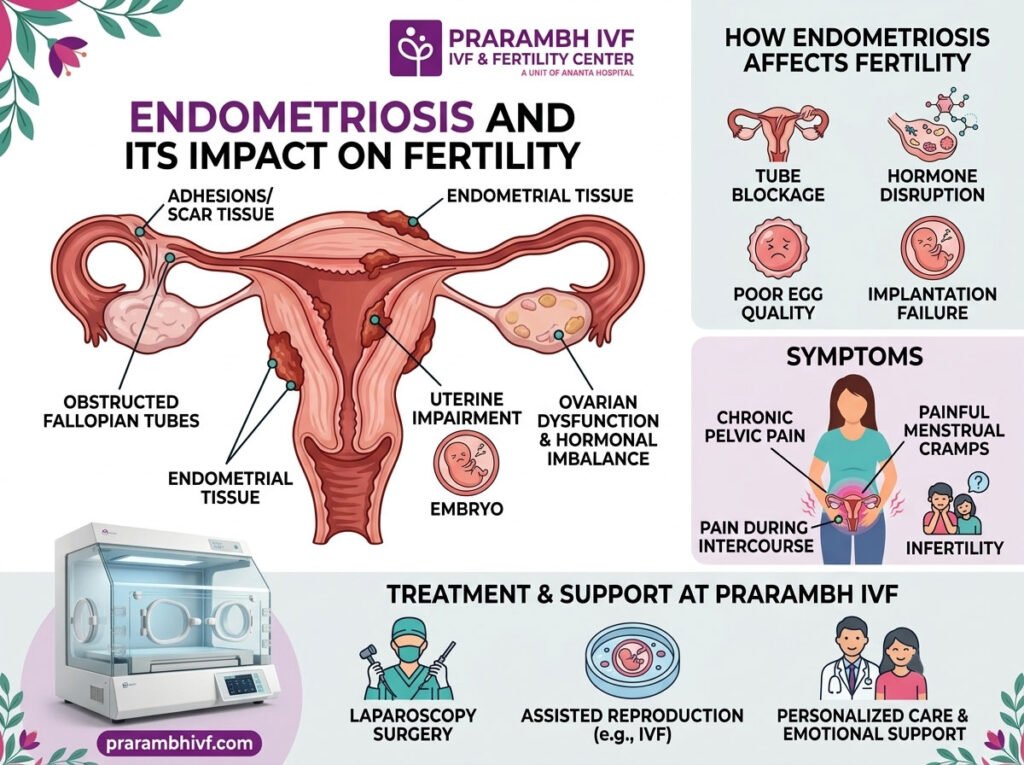
One of the critical concerns among women with endometriosis is its impact on fertility. Studies suggest that endometriosis can affect around 30-40% of women facing infertility issues. The severity of the condition often correlates with fertility challenges. Endometrial tissue can lead to the formation of adhesions and scar tissue, which may obstruct the fallopian tubes or disrupt the normal function of the ovaries. Furthermore, endometriosis can produce hormonal imbalances, which might hinder ovulation and fertilization.
The emotional and psychological toll of dealing with endometriosis and fertility can be daunting. Women may find themselves grappling with feelings of frustration, confusion, and helplessness as they navigate the complexities of their condition and its impact on their dreams of motherhood.
Symptoms of Endometriosis
Recognizing endometriosis is the first step toward managing its symptoms and addressing fertility. Common symptoms include:
- Severe menstrual cramps
- Chronic pelvic pain
- Pain during intercourse
- Pain with bowel movements or urination
- Excessive bleeding or bleeding between periods
- Infertility
If you experience any of these symptoms, it is essential to consult a healthcare professional who can provide a proper diagnosis and recommend a treatment plan tailored to your needs.
Treatment Options for Endometriosis
While there is no definitive cure for endometriosis, various treatment options are available to manage symptoms and improve fertility outcomes. Treatment typically includes medications such as pain relievers, hormonal therapies, and in some cases, surgery to remove endometrial tissue. More complex cases may require assisted reproductive technologies, such as <a href=”https://www.prarambhivf.com/services/in-vitro-fertilizationivf/”>in vitro fertilization (IVF), especially when traditional measures have not yielded results.
How Prarambh IVF & Fertility Center Can Help You
At Prarambh IVF & Fertility Center, we understand that every patient’s journey through endometriosis and fertility can be unique and challenging. Our experienced fertility specialists are committed to providing personalized treatment plans tailored to each individual’s specific circumstances. We take into consideration the severity of your condition, your medical history, and your personal fertility goals to craft a plan that works best for you.
We pride ourselves on maintaining transparent communication with our patients throughout the treatment process. Our team ensures that you are informed about each step, explaining the various options available to manage endometriosis and enhance your chances of conception. Furthermore, we recognize the emotional strain that comes with endometriosis-related infertility. Our staff is dedicated to providing the emotional support you need during this challenging time, ensuring that you do not face this journey alone.
Closing Thoughts
Endometriosis can present significant hurdles on the path to pregnancy, but with the right support and treatment, you can navigate these challenges. At Prarambh IVF & Fertility Center, we are here to walk alongside you on this journey, offering personalized care and understanding. If you or someone you know is struggling with endometriosis and fertility, we encourage you to reach out to us. Together, we can explore the best options for your health and future.
