
What is IVF Treatment?
In vitro fertilization (IVF) is a widely recognized assisted reproductive technology that allows individuals and couples to conceive when facing difficulties related to fertility. This process involves retrieving eggs from a woman’s ovaries and fertilizing them with sperm in a laboratory setting. Once an embryo develops, it is transferred back into the woman’s uterus, offering the possibility of pregnancy. IVF treatment has become a beacon of hope for many aspiring parents, thanks to advancements in technology and individualized care provided by fertility clinics.
How Does IVF Work?
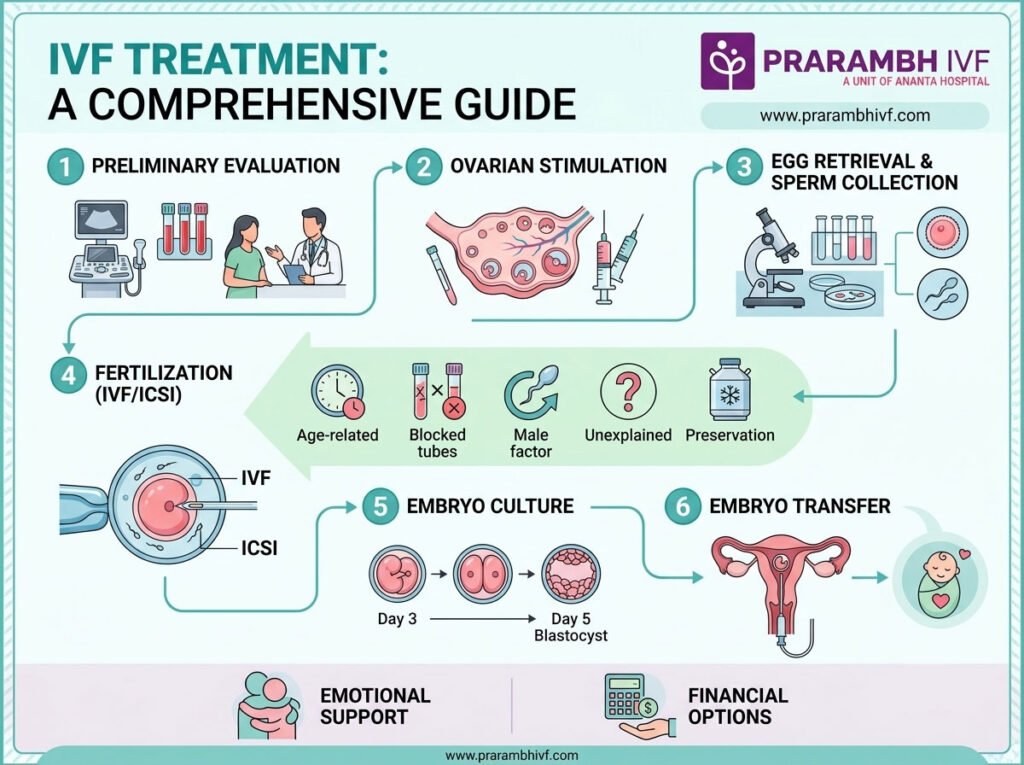
The IVF process begins with several preliminary steps designed to optimize the chances of success. First, patients undergo a thorough evaluation, including medical history reviews, blood tests, and ultrasounds. After gaining a comprehensive understanding of the patient’s reproductive health, a tailored treatment plan is created.
Next, fertility medications are administered to stimulate the ovaries, encouraging the production of multiple follicles. Regular monitoring via blood tests and ultrasounds helps track the growth of these follicles. Once the follicles reach the ideal size, a trigger injection is given to induce ovulation, preparing the eggs for retrieval.
A minimally invasive procedure is performed to extract the eggs from the ovaries, usually under sedation. Simultaneously, a sperm sample is obtained from the partner or a sperm bank. The retrieved eggs are then fertilized with the sperm using either conventional insemination or intracytoplasmic sperm injection (ICSI), depending on individual circumstances.
After fertilization, the resulting embryos are cultured for several days. embryologists monitor their development, assessing factors like cell division and quality. Finally, one or more healthy embryos are selected for transfer into the uterus, where implantation may occur, leading to pregnancy.
Who Can Benefit from IVF Treatment?
IVF treatment is suitable for a variety of individuals and couples facing fertility challenges. Common reasons include age-related infertility, ovulation disorders, endometriosis, blocked fallopian tubes, male infertility issues, and unexplained infertility. Additionally, IVF can be beneficial for those looking to conceive using donor eggs or sperm, or for individuals wishing to preserve their fertility for future use.
Furthermore, same-sex couples and single individuals seeking to become parents often turn to IVF as a viable option to achieve their dreams of parenthood.
The Success Rates of IVF
Success rates for IVF can vary significantly based on several factors, including the age of the woman, the cause of infertility, and the quality of the embryos. While no fertility clinic can guarantee a pregnancy, most offer their patients realistic expectations based on their specific circumstances. It’s important to understand that the journey of IVF may require multiple cycles for some individuals to achieve a successful pregnancy.
Discussing success rates with your fertility clinic is crucial, as they can provide insights based on their data and your specific situation. Remember, each journey is unique, and focusing on a personalized approach can enhance your experience during this emotional process.
Emotional and Financial Considerations
Undergoing IVF can be emotionally taxing, as it involves a rollercoaster of hope, anxiety, and anticipation. It’s essential to have a solid support system in place, whether through family, friends, or professional counseling, to navigate the emotional ups and downs.
Financially, IVF can be a significant investment. Costs vary widely based on location, the specific fertility clinic, and any additional procedures that may be necessary. Many fertility clinics offer financing options and work with patients to explore insurance coverage. Being open and transparent with your clinic about your financial situation can help them provide guidance tailored to your needs.
Choosing the Right Fertility Clinic
Selecting the right fertility clinic is a crucial step in your IVF journey. Look for clinics with qualified staff, advanced technology, and positive patient reviews. Consultations can provide insights into their approach and philosophy regarding IVF treatment. A supportive and knowledgeable team can make a significant difference in your experience, helping you feel cared for throughout the process.
Conclusion
IVF treatment is a remarkable option for those facing challenges in conceiving. With the right knowledge and support, individuals and couples can navigate this journey toward parenthood. By understanding what IVF entails, considering emotional and financial aspects, and selecting a reputable fertility clinic, you can maximize your chances of achieving your dream of starting a family. Remember, each step taken is a step closer to the joy and fulfillment of welcoming a new life.
