
Understanding IVF Treatment
In vitro fertilization (IVF) is a widely recognized assisted reproductive technology that has helped countless couples achieve their dream of parenthood. It involves a series of procedures, starting with the retrieval of eggs from the woman’s ovaries, which are then fertilized with sperm in a laboratory setting. The resulting embryos are monitored for development and can be implanted into the uterus, leading to pregnancy. This multifaceted approach has transformed the landscape of fertility treatment, providing hope to those facing challenges in conceiving naturally.
How IVF Works
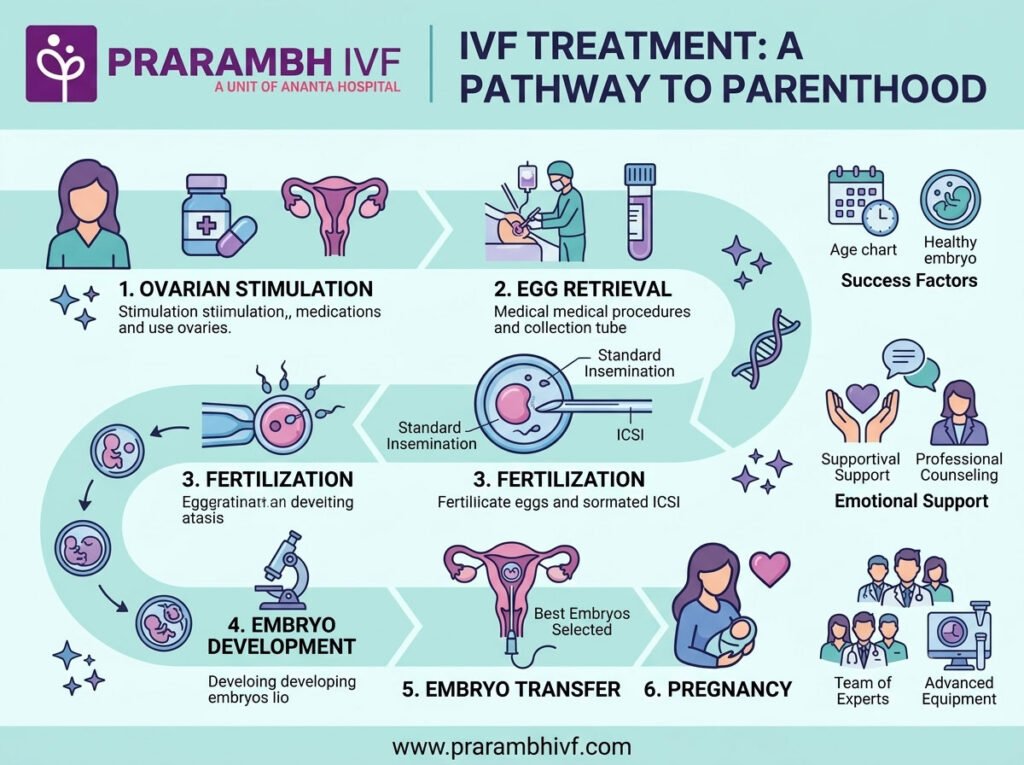
The IVF process can be broken down into several key steps. Initially, fertility medications are prescribed to stimulate the ovaries, promoting the development of multiple eggs. After monitoring the follicle growth through ultrasound and blood tests, a trigger injection is given to mature the eggs. About 34-36 hours later, a minor surgical procedure called egg retrieval is performed under sedation, where the eggs are collected from the ovaries.
Once the eggs are retrieved, they are combined with sperm in the lab. This can involve traditional insemination or intracytoplasmic sperm injection (ICSI), where a single sperm is injected directly into an egg to enhance fertilization chances. After a few days, the best quality embryos are selected for transfer into the woman’s uterus, typically three to five days after fertilization. Any surplus viable embryos may be frozen for future use.
Success Rates and Factors Influencing Outcomes
Success rates for IVF can vary based on numerous factors, including age, underlying fertility issues, and the clinic’s expertise. Generally, younger women tend to have higher success rates due to better egg quality. However, IVF can be beneficial to individuals across various age groups and circumstances. Understanding one’s unique health situation is essential in setting realistic expectations.
Moreover, it’s important to note that success with IVF often requires more than one cycle. Many couples may achieve pregnancy after several attempts. Consulting with a reputable fertility clinic can provide couples with personalized insights and tailored treatment plans to improve their chances of success.
Emotional Considerations During IVF Treatment
Embarking on the IVF journey can be an emotional rollercoaster. The anticipation of joy mixed with the potential for disappointment can weigh heavily on individuals and couples. It’s vital to acknowledge these feelings; seeking support from friends, family, or professional counselors can be invaluable during this time. Many fertility clinics offer emotional support services, which can help alleviate the stress associated with the treatment process.
Maintaining open communication with your partner throughout the IVF process can also foster a stronger bond. Sharing the experience can provide comfort and reassurance, helping each partner feel more involved and understood.
Choosing the Right IVF Clinic
When considering IVF treatment, selecting the right fertility clinic is a crucial step. Prospective patients should research and visit multiple clinics, looking for experienced professionals, advanced technology, and supportive staff. Additionally, reviewing success rates and patient testimonials can provide insights into the clinic’s reputation and level of care.
During consultations, don’t hesitate to ask questions about the clinic’s approach, the technologies they use, and any potential risks involved in treatment. A trustworthy clinic will take the time to address your concerns and ensure you feel comfortable with the treatment plan proposed.
IVF and Financial Considerations
It’s essential to discuss the financial aspects of IVF treatment early on. IVF can be a costly process, and understanding your options for insurance coverage, financing plans, and payment structures will help alleviate some of the financial stress. Some fertility clinics may offer payment plans or package deals for multiple cycles, so inquire about these options as you navigate your treatment journey.
Conclusion
IVF treatment stands as a beacon of hope for many individuals and couples striving to expand their families. While the process can be challenging and emotionally taxing, supportive clinics, detailed consultations, and realistic expectations can empower patients along their journey to parenthood. Remember, you are not alone in this journey; there is a community and professional support system awaiting to help you through each step of the way.
