
Introduction
When couples are trying to conceive, the focus often falls on female factors that might affect fertility, like age, ovulation issues, or hormonal imbalances. However, male infertility is a significant concern, accounting for nearly 30-50% of infertility cases. Understanding male infertility can be overwhelming, but gaining knowledge about the various factors and available treatments can empower couples as they navigate their fertility journey.
What Causes Male Infertility?
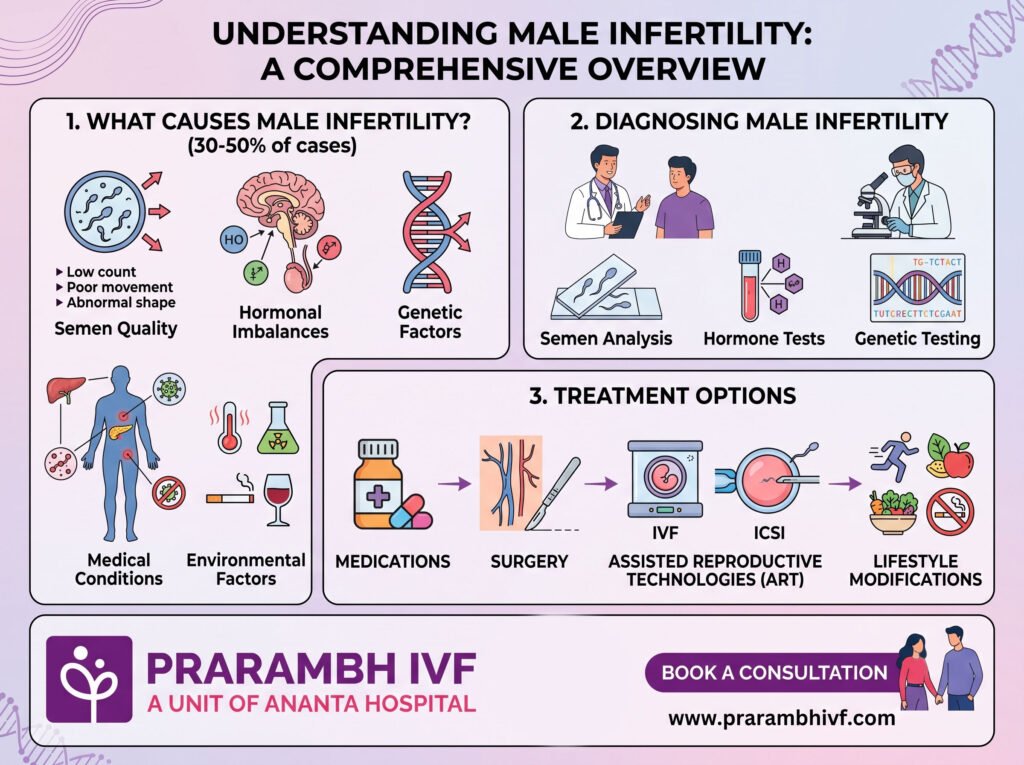
Male infertility can arise from a combination of physical, hormonal, and environmental factors. Here are some common causes:
- Semen Quality: Low sperm count, poor motility (movement), and abnormal morphology (shape) can affect the chance of conception.
- Hormonal Issues: Hormonal imbalances involving the hypothalamus, pituitary, or testes can disrupt sperm production.
- Genetic Factors: Some genetic conditions can affect fertility, such as Klinefelter syndrome or Y-chromosome microdeletions.
- Medical Conditions: Conditions such as diabetes, cystic fibrosis, or infections can impact sperm production or delivery.
- Environmental Factors: Exposure to toxins, heat, and lifestyle choices (such as smoking and excessive alcohol consumption) play an integral role in male reproductive health.
Diagnosing Male Infertility
The journey to understanding male infertility often begins with a comprehensive evaluation. A urologist or fertility specialist may perform a semen analysis to assess sperm health, hormone tests to check for hormonal imbalances, and even genetic testing to identify underlying issues. This thorough approach is essential for creating an effective treatment plan tailored to individual needs.
Treatment Options for Male Infertility
Once a diagnosis is established, various treatment options may be available. Here are some common interventions:
- Medications: Hormonal treatments can help restore normal levels and improve sperm production.
- Surgical Options: For conditions like varicocele, surgery may be necessary to improve blood flow and fertility.
- Assisted Reproductive Technologies (ART): Techniques such as IVF (In vitro fertilization) or ICSI (Intracytoplasmic sperm injection) may be recommended, especially if there are severe sperm quality issues.
- Lifestyle Modifications: Encouraging healthier lifestyle choices can positively impact fertility. Simple changes, such as reducing alcohol intake, quitting smoking, and managing stress, can enhance overall reproductive health.
How Prarambh IVF & Fertility Center Can Help You
At Prarambh IVF & Fertility Center, we recognize that each patient’s experience with infertility is unique. Our experienced fertility specialists are committed to providing personalized treatment plans that cater to your specific needs. From the very first consultation, we prioritize your comfort and understanding, ensuring a transparent approach to discussing diagnoses and treatment options.
Our dedicated team guides you through the complexities of male infertility with a supportive hand. We understand the emotional toll that fertility struggles can take, and we foster a nurturing environment where you can express your feelings and concerns freely. We believe that emotional support is just as vital as medical intervention, and we offer counseling and resources to help you navigate this challenging journey with ease.
Conclusion
Understanding male infertility is essential for couples facing conception challenges. At Prarambh IVF & Fertility Center, we are committed to empowering you with knowledge, support, and personalized care. If you or your partner are experiencing fertility issues, we encourage you to book a consultation. Together, we can explore the best path forward on your journey to parenthood.
