
What is IVF?
In vitro fertilization (IVF) is a widely recognized and effective fertility treatment that has helped countless individuals and couples achieve their dream of parenthood. In simple terms, IVF involves the fertilization of an egg with sperm outside the body, creating an embryo that is then transferred to the uterus. This procedure is often recommended when other fertility treatments have been unsuccessful or in cases of specific reproductive issues.
How Does IVF Work?
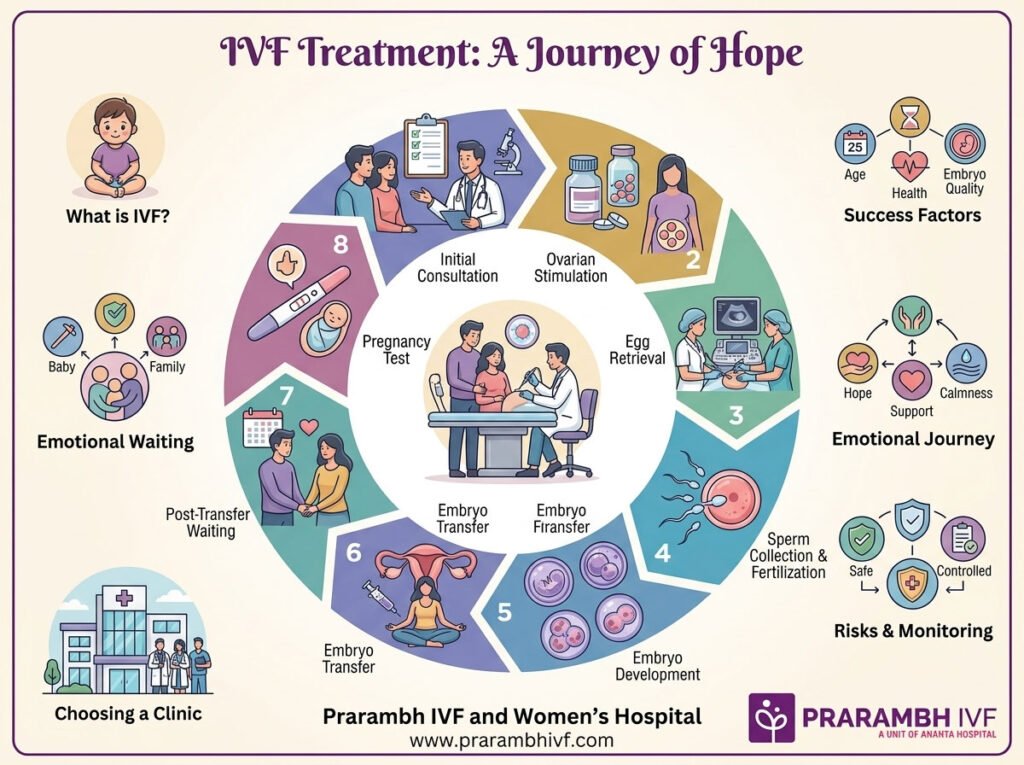
The IVF process typically involves several key steps, each designed to maximize the chances of a successful pregnancy. The initial stage involves a thorough evaluation by a fertility specialist to assess both partners’ reproductive health. This assessment may include blood tests, imaging studies, and semen analysis.
Once a treatment plan is determined, the female partner undergoes ovarian stimulation, which involves hormonal medications to encourage the ovaries to produce multiple eggs. Regular monitoring through ultrasounds and blood tests ensures that the response to the medications is optimal. Once the eggs are ready for retrieval, a minor surgical procedure is performed to collect the eggs from the ovaries.
Simultaneously, a sperm sample is collected from the male partner or a sperm donor. The sperm and eggs are then combined in a laboratory setting, where fertilization occurs. After a few days of observation, healthy embryos are selected for transfer. In some cases, additional embryos may be frozen for future use.
What to Expect During the IVF Journey
Embarking on the IVF journey can be both exciting and daunting. It’s essential to understand what to expect at each stage to prepare emotionally and physically. For many couples, the prospect of assisted reproduction offers hope, but it can also come with emotional ups and downs.
Throughout the IVF process, it’s normal to experience a range of feelings, from anticipation to anxiety. Open communication with your partner and support from friends and family can be invaluable. Many IVF clinics also offer counseling services to help individuals and couples cope with the emotional aspects of fertility treatment.
Additionally, understanding the potential risks and side effects of IVF medications is important. Common side effects may include bloating, mood swings, and mild discomfort during procedures. Your fertility clinic will provide guidance on managing these effects and monitoring your health throughout the treatment.
Success Rates and Factors Influencing Outcomes
Success rates for IVF can vary widely depending on several factors, including the age of the female partner, the cause of infertility, and the overall health of both partners. While some clinics publish success rates, it’s crucial to remember that individual experiences may differ. A fertility specialist can provide a more personalized prognosis based on your unique circumstances.
Age is one of the most significant factors influencing IVF success. Generally, younger women tend to have higher success rates due to healthier eggs. Other considerations include the quality of the sperm, the presence of any underlying health issues, and the quality of the embryos produced during the IVF cycle.
Making Decisions Post-IVF
After the embryo transfer, there will be a waiting period before a pregnancy test is performed, typically around two weeks. This time can be filled with anxiety as both partners often hold their breath, hoping for positive news. Regardless of the outcome, it’s vital to have a supportive plan in place, whether to proceed with additional IVF cycles, consider other fertility options, or explore the avenue of adoption.
Some couples may find comfort in speaking with others who have undergone similar experiences, joining support groups, or seeking professional counseling. Many find that sharing their journey with others helps alleviate some of the emotional burdens associated with fertility treatments.
Choosing the Right IVF Clinic
Selecting the right fertility clinic is a crucial aspect of successfully navigating the IVF journey. It’s important to do thorough research, ask questions about the clinic’s success rates, treatment options, and the experience of the providers. Visiting the clinic in person, if possible, can help in assessing comfort and confidence in the facility and staff. A supportive, knowledgeable team can make a significant difference in your IVF experience.
Final Thoughts
IVF treatment offers hope to many individuals and couples struggling with infertility. By understanding the process, being aware of what to expect, and preparing emotionally, you can navigate this journey with confidence. Remember to lean on your support system and seek guidance from your fertility clinic as you embark on the path to parenthood.
