
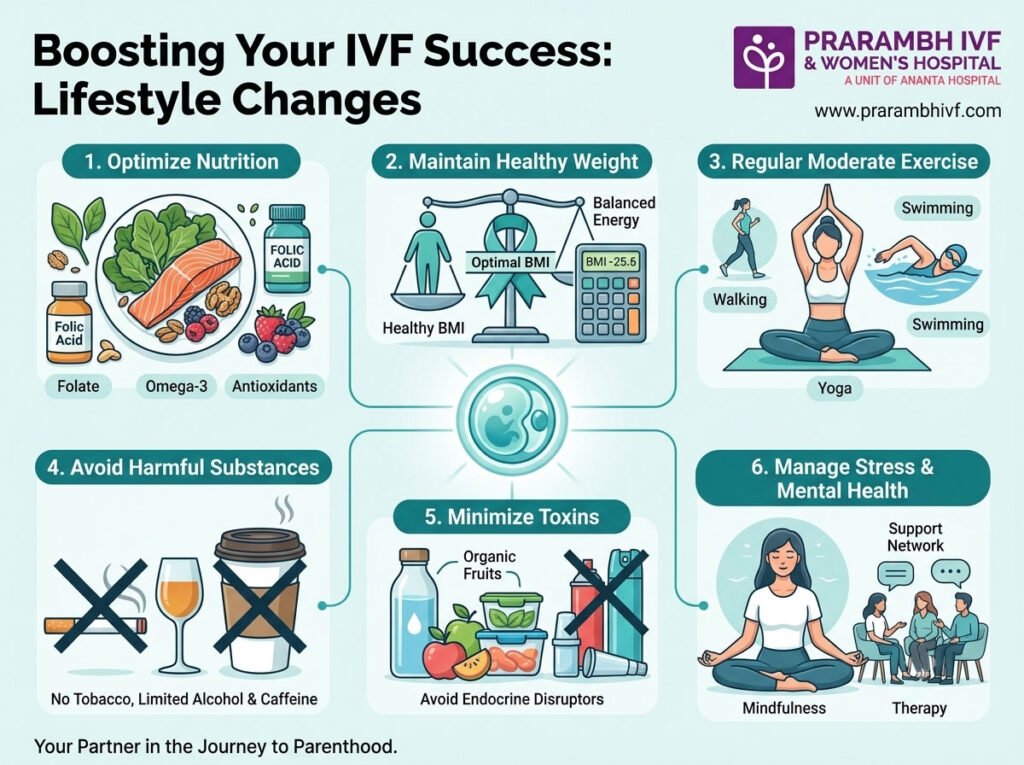
In recent years, advancements in reproductive technology have made in vitro fertilization (IVF) a viable option for many couples struggling with infertility. While medical interventions are crucial, the role of lifestyle changes in enhancing IVF success cannot be overlooked. Understanding how various lifestyle factors affect fertility can empower individuals and couples to make informed decisions that may improve their chances of conception.
Nutrition: The Foundation of Fertility
Diet plays a significant role in reproductive health. Consuming a balanced diet rich in essential nutrients can enhance overall well-being and improve fertility outcomes. Key nutrients that are particularly important include folate, omega-3 fatty acids, and antioxidants.
Folate and Other Vitamins
Folate is vital for DNA synthesis and cell division, making it essential during conception and early pregnancy. Foods rich in folate include leafy greens, beans, and fortified cereals. Additionally, ensuring adequate intake of vitamins D and E can also benefit reproductive health.
Omega-3 Fatty Acids
Omega-3 fatty acids have anti-inflammatory properties that support reproductive health. They can be found in fatty fish such as salmon, walnuts, and flaxseeds. Including these foods in your diet may help improve ovarian function and embryo quality.
Antioxidants
Antioxidants combat oxidative stress, which can adversely affect fertility. Fruits and vegetables rich in antioxidants, such as berries, spinach, and carrots, should be staples in a fertility-boosting diet. They help protect reproductive cells from damage and may improve IVF outcomes.
Maintaining a Healthy Weight
Weight plays a critical role in fertility, with both underweight and overweight individuals facing challenges. Research suggests that maintaining a healthy body weight can significantly improve IVF success rates.
Understanding BMI and Fertility
Body Mass Index (BMI) is a useful tool for assessing weight in relation to height. A BMI within the healthy range (18.5 to 24.9) is generally associated with better fertility outcomes. Being underweight can lead to hormonal imbalances, while being overweight may contribute to conditions such as polycystic ovary syndrome (PCOS), which can complicate conception.
Strategies for Weight Management
For those looking to achieve or maintain a healthy weight, a combination of balanced nutrition and regular physical activity is essential. Consulting with a healthcare provider or a registered dietitian can provide personalized advice and support during this journey.
Regular Physical Activity
Exercise is another vital aspect of a healthy lifestyle that can influence fertility. Regular physical activity can help regulate hormones, improve mood, and maintain a healthy weight.
Finding the Right Balance
While regular exercise is beneficial, excessive physical activity can have the opposite effect, particularly in women. Striking a balance is key. Moderate exercises like walking, swimming, and yoga can be effective while reducing stress levels, which is crucial for fertility.
The Role of Stress Management
Stress can negatively impact fertility by disrupting hormonal balance and ovulation. Incorporating stress-reducing practices such as meditation, mindfulness, and deep-breathing exercises can enhance overall well-being and improve IVF outcomes.
Avoiding Harmful Substances
Certain substances can hinder fertility and negatively affect IVF success rates. It is essential to minimize or eliminate exposure to these harmful agents.
Alcohol and Caffeine
Research indicates that excessive alcohol consumption can adversely affect fertility in both men and women. Similarly, high caffeine intake may reduce fertility rates, particularly in women undergoing IVF. Moderation is key; limiting alcohol to one drink per day and caffeine to about 200 mg (roughly one 12-ounce cup of coffee) may be beneficial.
Tobacco and Other Drugs
Smoking is well-known to have detrimental effects on fertility. In women, it can lead to decreased ovarian reserve and poor egg quality, while men may experience reduced sperm count and motility. Quitting smoking and avoiding recreational drugs can significantly improve fertility outcomes.
Considerations for Environmental Factors
Environmental factors, including exposure to toxins, can also influence fertility. Understanding these risks can help individuals make informed choices.
Common Toxins to Avoid
Everyday products, such as plastics, pesticides, and personal care items, may contain endocrine-disrupting chemicals that can impact reproductive health. Choosing organic produce, using glass or stainless steel containers, and selecting natural personal care products can reduce exposure to harmful substances.
Creating a Fertility-Friendly Environment
Taking steps to create a fertility-friendly environment can involve decluttering your living space, reducing exposure to pollutants, and ensuring proper ventilation. These changes can contribute to overall health and enhance fertility potential.
Social Support and Mental Health
Emotional and psychological well-being plays a crucial role in the IVF journey. Social support from friends, family, and support groups can provide comfort and understanding during this challenging time.
Seeking Professional Help
In some cases, speaking with a mental health professional can be beneficial. Therapy or counseling can help individuals and couples navigate the emotional rollercoaster of infertility and IVF. Addressing mental health can improve resilience and enhance the overall experience.
Building a Support Network
Connecting with others who are going through similar experiences can provide a sense of community and empathy. Online forums, local support groups, and discussion with friends can foster a supportive environment that encourages open communication and sharing of experiences.
Conclusion: The Holistic Approach to IVF Success
Understanding the role of lifestyle changes in enhancing IVF success is vital for couples navigating infertility. By focusing on nutrition, maintaining a healthy weight, engaging in regular physical activity, avoiding harmful substances, and addressing emotional well-being, individuals can create a holistic approach to improve their chances of conception.
While IVF can be a complex journey, making informed lifestyle choices can empower individuals and couples to take control of their reproductive health. As you embark on this path, remember that every small change counts and can contribute to a more favorable outcome.
