
Infertility can be a challenging journey for many couples. With advancements in medical technology, there are now several options available to assist those struggling to conceive. One of the most effective treatments is In Vitro Fertilization (IVF). This blog post will explore the benefits of IVF treatment, providing a comprehensive understanding of how it can help individuals and couples achieve their dream of parenthood.
What is IVF?
IVF, or In Vitro Fertilization, is a medical procedure that involves fertilizing an egg with sperm outside the body, in a laboratory setting. Once the fertilized egg, known as an embryo, develops, it is then implanted into the uterus. This process can be beneficial for a variety of infertility issues, making it a popular choice for those seeking help in starting a family.
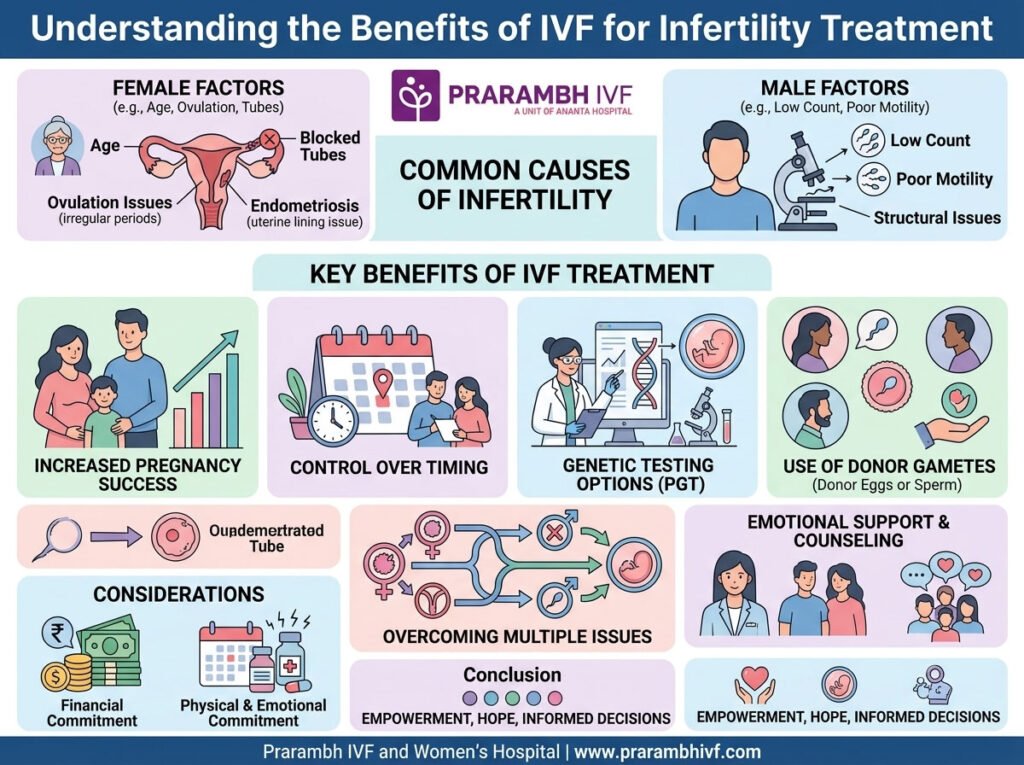
Common Causes of Infertility
Understanding the reasons behind infertility can help clarify how IVF can be a solution. Infertility can stem from a range of physical and hormonal issues affecting both men and women.
Female Factors
Some common female factors include age, ovulation disorders, fallopian tube damage, and endometriosis. As women age, their fertility naturally declines, which can complicate conception. Ovulation disorders can prevent the release of healthy eggs, while conditions like endometriosis can hinder embryo implantation.
Male Factors
Male infertility can be attributed to low sperm count, poor sperm motility, or structural issues. Lifestyle choices, environmental factors, and health conditions can all impact male fertility. Understanding these factors is crucial for couples as they explore their fertility treatment options.
Benefits of IVF Treatment
IVF offers several significant benefits for couples facing infertility. Understanding these advantages can provide hope and clarity for those considering this treatment.
Increased Chances of Pregnancy
One of the primary benefits of IVF is the increased likelihood of pregnancy. For many couples, IVF has a higher success rate compared to other fertility treatments. This is especially true for those with specific infertility diagnoses, such as blocked fallopian tubes or severe male factor infertility.
Control Over Timing
IVF allows couples greater control over the timing of conception. By scheduling the procedure, individuals can plan for a pregnancy when they feel most ready, reducing stress and anxiety associated with unplanned pregnancies. This can be particularly beneficial for women who may want to focus on their careers or personal goals before starting a family.
Genetic Testing Options
Another significant advantage of IVF is the option for preimplantation genetic testing (PGT). This testing can identify genetic disorders in embryos prior to implantation. Couples with a family history of genetic conditions can use this technology to select embryos free from specific genetic disorders, increasing the chances of a healthy pregnancy and child.
Use of Donor Eggs or Sperm
IVF also opens the door for couples who may need to use donor eggs or sperm. This option can be a lifeline for those with poor egg quality or male factor infertility. The ability to use donor gametes can also provide opportunities for single parents or same-sex couples to have children, making IVF a versatile solution for a diverse range of family structures.
Overcoming Multiple Infertility Issues
For couples facing multiple fertility challenges, IVF can address several issues in one treatment cycle. For instance, if a woman has both ovulation problems and blocked fallopian tubes, IVF can bypass these hurdles by directly fertilizing the egg and implanting the embryo, offering a comprehensive solution.
Emotional Support and Counseling
The journey of infertility can be emotionally taxing. Many IVF clinics offer counseling and support groups to help couples navigate the emotional aspects of treatment. Understanding this emotional support can make a significant difference in how couples cope with the ups and downs of the fertility journey.
Building a Support Network
Connecting with others who share similar experiences can provide comfort and encouragement. Support groups can foster a sense of community, allowing individuals to share their stories, challenges, and successes. This shared experience can alleviate feelings of isolation and anxiety.
Professional Guidance
Emotional support from trained professionals can also help couples cope with the stress associated with IVF. Fertility specialists often recommend psychological support as part of the treatment process, recognizing that mental health plays a crucial role in overall wellbeing during this challenging time.
Considerations Before Choosing IVF
While IVF offers numerous benefits, it is essential for couples to consider several factors before proceeding with treatment.
Financial Implications
IVF can be expensive, and many insurance plans do not fully cover the costs. Couples should thoroughly research their insurance options and consider the financial implications of multiple treatment cycles, as success rates can vary. Understanding the costs involved can help in making informed decisions about fertility treatment.
Physical and Emotional Commitment
IVF requires a significant commitment regarding time, health, and emotional energy. The process often involves multiple appointments, medications, and potential lifestyle changes. Couples should discuss their readiness for the physical and emotional demands of treatment to ensure they are prepared for the journey ahead.
Conclusion
Understanding the benefits of IVF treatment for infertility can empower couples as they navigate their paths to parenthood. With its higher success rates, control over timing, genetic testing options, and the ability to overcome various infertility challenges, IVF stands as a beacon of hope for many. Additionally, the emotional support provided through counseling and community connections adds a vital layer of assistance during this complex journey.
Ultimately, the decision to pursue IVF should be made with careful consideration of the couple’s unique circumstances, including financial, emotional, and physical factors. By seeking guidance from fertility specialists and exploring available options, individuals and couples can make informed decisions that align with their family-building goals.
