
Introduction to Blocked Fallopian Tubes
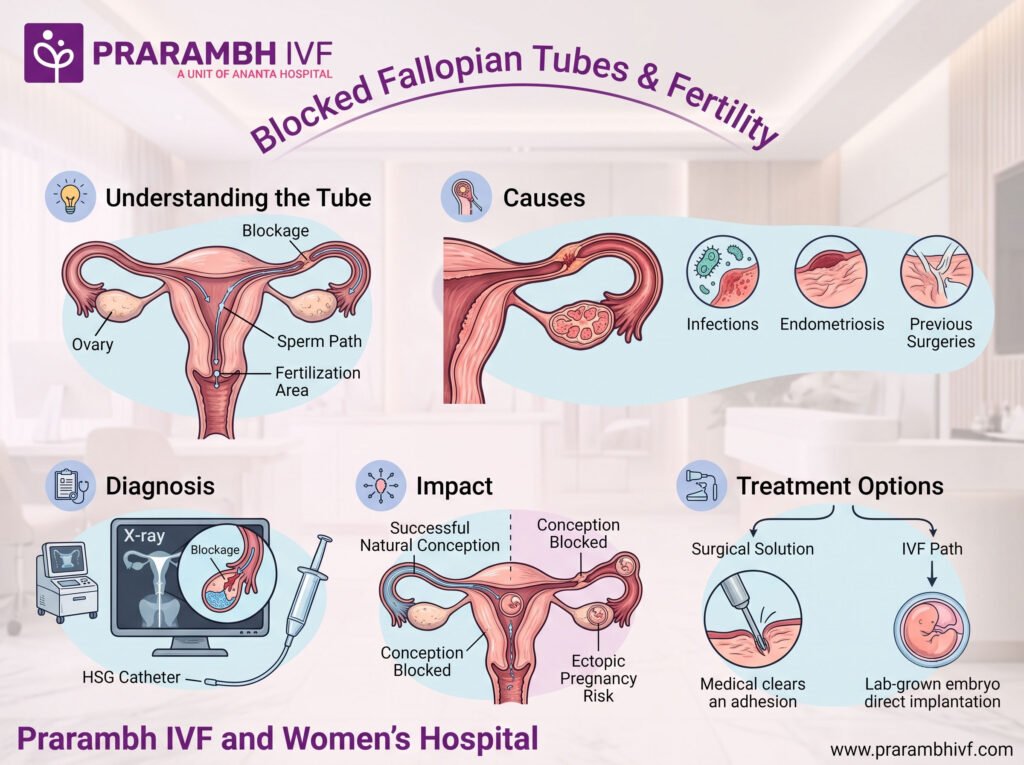
Blocked fallopian tubes can be a significant barrier to conception for many women trying to conceive. The fallopian tubes are essential pathways that connect the ovaries to the uterus, facilitating the journey of the egg and the sperm. When these tubes become blocked, it can prevent fertilization and prevent a fertilized egg from reaching the uterus. Understanding the causes, symptoms, and implications of blocked fallopian tubes is crucial for anyone navigating fertility challenges.
Causes of Blocked Fallopian Tubes
There are several reasons why fallopian tubes may become blocked. One common cause is pelvic inflammatory disease (PID), often a result of sexually transmitted infections. Other factors include endometriosis, previous pelvic surgery, or conditions like fibroids that can obstruct the passage. Additionally, congenital abnormalities or a history of ectopic pregnancy may also lead to blockage.
Symptoms and Diagnosis
Many women with blocked fallopian tubes may not experience any symptoms until they attempt to conceive. However, some may experience pain or irregular menstrual cycles. Diagnostic methods like hysterosalpingography (HSG) can determine whether the fallopian tubes are open. This procedure involves injecting a dye into the uterus and taking X-rays to visualize the flow, assisting in revealing any blockages.
Impact on Fertility
Blocked fallopian tubes can significantly impact a woman’s fertility. If the tubes are fully blocked, natural conception is unlikely, as sperm cannot reach the egg, and the fertilized egg cannot reach the uterus. Even partial blockages may reduce the chances of pregnancy, leading to issues like ectopic pregnancies, where a fertilized egg implants outside the uterus. Seeking professional advice from an IVF or fertility clinic is essential for understanding options available to overcome these challenges.
Treatment Options for Blocked Fallopian Tubes
Treatment for blocked fallopian tubes varies based on the cause and severity of the blockage. In some cases, surgical intervention may be possible to remove the obstruction, typically recommended when the blockage is due to adhesions or mild endometriosis. However, if surgery is not viable or unsuccessful, assisted reproductive technologies (ART) such as in vitro fertilization (IVF) may be a more suitable option. IVF bypasses the need for the fallopian tubes by allowing fertilization to occur in a lab, and then the resulting embryo is implanted directly into the uterus.
How Prarambh IVF & Fertility Center Can Help You
At Prarambh IVF & Fertility Center, we understand how distressing fertility issues can be, especially when faced with complications like blocked fallopian tubes. Our team of experienced fertility specialists works closely with each patient to develop personalized treatment plans tailored to their specific needs and circumstances. From initial consultations to ongoing support through your fertility journey, we prioritize a collaborative approach to care.
We believe in transparent communication throughout the treatment process. Our specialists will guide you in understanding your diagnosis and the best options available for treatment. Alongside medical expertise, our center is committed to providing emotional support. Navigating fertility challenges can be overwhelming, and our compassionate team is here to listen to your concerns, offer reassurance, and ensure you feel supported every step of the way.
Conclusion
If you are struggling with blocked fallopian tubes or any fertility concerns, we encourage you to reach out to us at Prarambh IVF & Fertility Center. Our dedicated team is here to help you explore your options and work towards realizing your dream of starting or expanding your family. Contact us today to begin your journey toward parenthood with the support and care you deserve.
