
Understanding Polyhydramnios
Polyhydramnios refers to an excessive accumulation of amniotic fluid during pregnancy. While some degree of amniotic fluid is essential for the development and well-being of the fetus, too much fluid can lead to complications. Polyhydramnios can be detected through routine ultrasounds, and it may arise at any point during pregnancy. It’s important for expectant mothers to understand what polyhydramnios means, its potential causes, and how it can be managed for a healthy pregnancy.
What Causes Polyhydramnios?
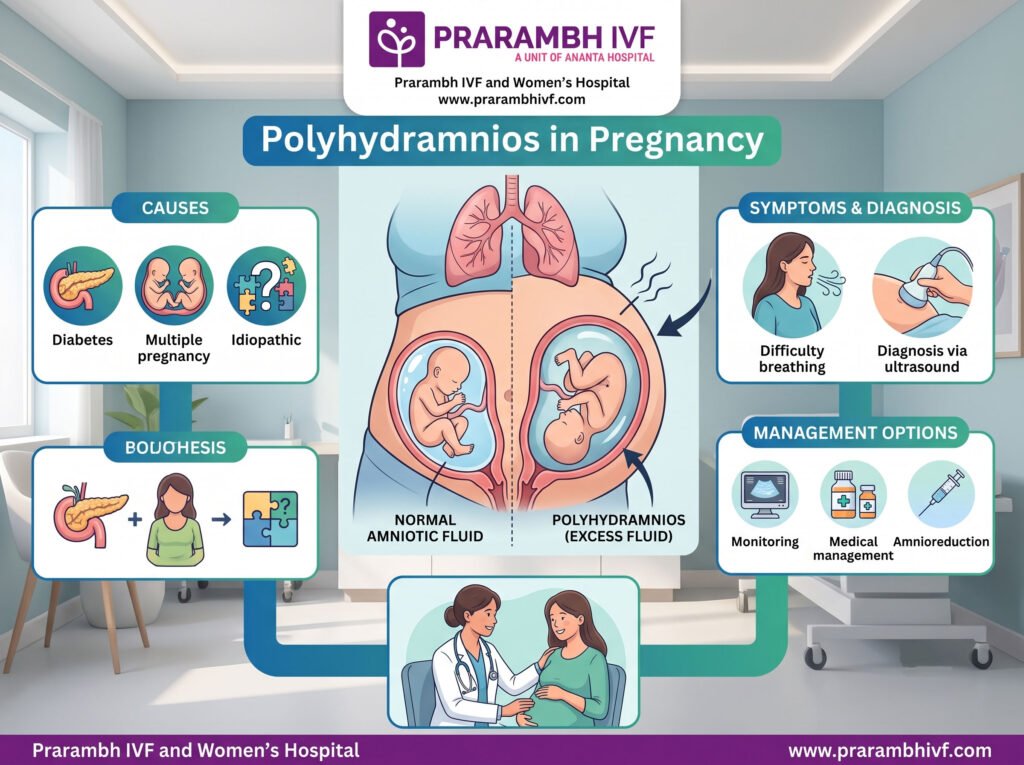
Polyhydramnios can be classified into two types: mild and severe. The causes of polyhydramnios are varied and may include conditions such as maternal diabetes (gestational diabetes), multiple pregnancies (twins or more), fetal congenital abnormalities, and infections. In some cases, the cause remains unknown, referred to as idiopathic polyhydramnios. Understanding the underlying cause is vital for determining the appropriate management strategy.
Signs and Symptoms
Women experiencing polyhydramnios may notice increased abdominal size, difficulty breathing, or premature contractions. In some instances, the condition may be asymptomatic and only detected through ultrasound. Regular prenatal check-ups and monitoring will help in identifying this condition early, allowing for timely intervention and care.
Diagnosis of Polyhydramnios
The diagnosis of polyhydramnios primarily relies on ultrasound imaging, where the amount of amniotic fluid is measured. Healthcare providers often use the amniotic fluid index (AFI) or the deepest pocket measurement to assess fluid levels. If polyhydramnios is diagnosed, further testing may be required to identify any underlying fetal issues or maternal health concerns.
Managing Polyhydramnios
The management of polyhydramnios depends on the severity of the condition and its underlying cause. In mild cases, careful monitoring may suffice, with regular ultrasounds to observe the fluid level and fetal development. For moderate to severe cases, management may include more proactive measures such as medication to help reduce fluid levels, targeted ultrasound intervention, or, in more severe scenarios, an amnioreduction—a procedure that removes excess amniotic fluid. The goal is to ensure both the mother and baby remain healthy throughout the pregnancy.
Potential Complications
Polyhydramnios can lead to complications, including preterm labor, placental abruption, or fetal malposition. Excess amniotic fluid can also impact the mother’s ability to breathe comfortably as the pregnancy progresses. Regular consultations with healthcare professionals can help mitigate these risks, ensuring that both the mother and baby receive comprehensive care throughout the pregnancy.
How Prarambh IVF & Fertility Center Can Help You
At Prarambh IVF & Fertility Center, we understand that navigating challenges during pregnancy, such as polyhydramnios, can be daunting. Our experienced fertility specialists are dedicated to providing personalized treatment plans tailored to each patient’s unique circumstances. We believe that informed decisions contribute to better outcomes, and we work closely with our patients to ensure they fully understand their condition and available management options.
Transparent communication is at the core of our approach. We encourage patients to ask questions and share their concerns, allowing us to adjust our care strategies accordingly. Beyond medical expertise, we also prioritize emotional support, ensuring that every patient feels valued and understood throughout their journey. Our compassionate staff is here to listen, and we are committed to walking with you every step of the way during this important time in your life.
Closing Thoughts
If you or someone you know is experiencing polyhydramnios or any other pregnancy-related concerns, we encourage you to get in touch with us at Prarambh IVF & Fertility Center. Our team is here to provide the support, care, and expertise you need for a healthy pregnancy journey.
