
Understanding Gestational Hypertension
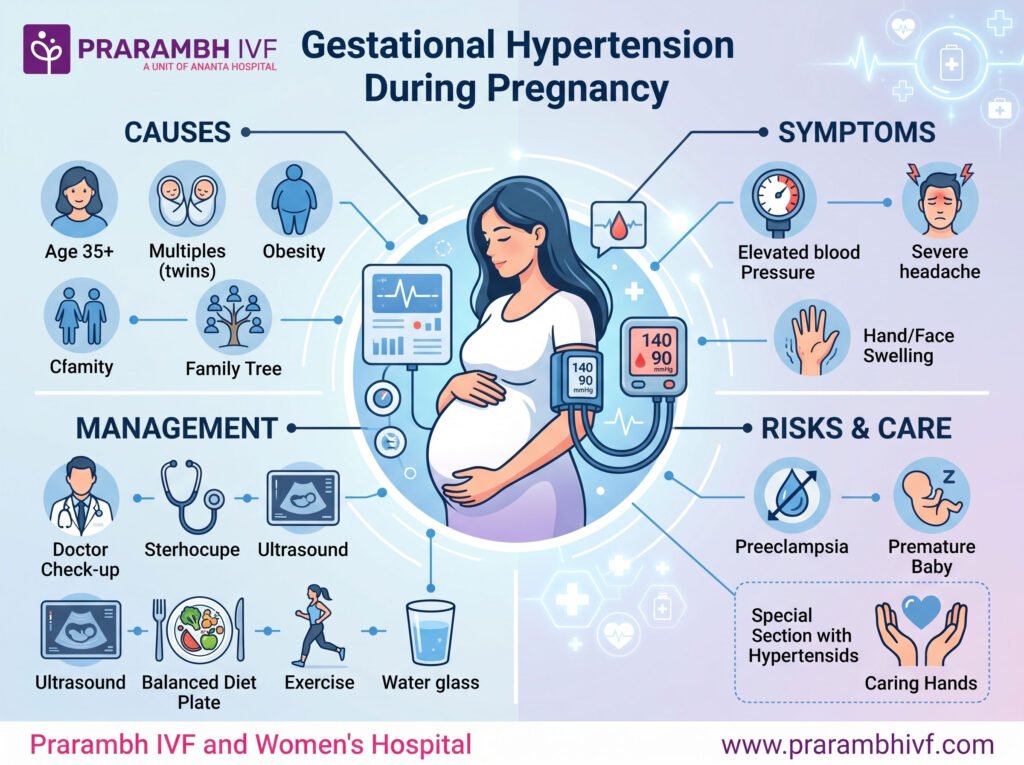
Gestational hypertension, also known as pregnancy-induced hypertension, is a condition that affects some women during pregnancy and typically arises after the 20th week. It is characterized by high blood pressure without the presence of protein in the urine. While it often resolves after childbirth, it can lead to complications for both the mother and the developing baby if not managed properly. Recognizing the signs and symptoms early, and understanding the underlying causes, can empower expectant mothers to seek timely medical attention and support.
Causes of Gestational Hypertension
The exact cause of gestational hypertension is not clearly defined. However, several factors have been associated with an increased risk of developing this condition. These include being a first-time mother, carrying multiples (twins or more), a family history of hypertension, obesity, and age (especially women over 35). Other health factors, such as chronic renal disease or pre-existing hypertension, can also contribute to the likelihood of developing gestational hypertension. Understanding these causes is crucial for managing risk and promoting a healthy pregnancy.
Symptoms and Diagnosis
Symptoms of gestational hypertension can sometimes go unnoticed, which is why regular prenatal check-ups are essential. Common signs include elevated blood pressure readings (typically anything above 140/90 mmHg), swelling in the hands and face, sudden weight gain, and headaches. If any of these symptoms arise, it’s important for pregnant women to consult their healthcare provider immediately, as they can lead to more serious conditions such as preeclampsia.
Managing Gestational Hypertension
Management of gestational hypertension primarily focuses on monitoring the mother and baby’s health. This often involves regular check-ups to measure blood pressure and assess fetal well-being. In some cases, lifestyle modifications such as a balanced diet, regular exercise, and adequate hydration are recommended. For others, especially if blood pressure levels are significantly high, medication may be necessary to lower blood pressure and minimize risks. In severe cases, doctors may advise hospitalization for closer monitoring.
Potential Complications
If left untreated, gestational hypertension can lead to complications for both the mother and the baby. It increases the risk of developing preeclampsia, a more serious condition, which can lead to placental abruption (when the placenta detaches from the uterus), premature birth, or even stroke. For the baby, potential risks include low birth weight, premature birth, and associated long-term health challenges. Understanding these complications underscores the importance of effective management.
How Prarambh IVF & Fertility Center Can Help You
At Prarambh IVF & Fertility Center, we understand that a healthy pregnancy is the top priority for expectant mothers, and we are committed to providing personalized treatment plans tailored to your unique needs. Our experienced fertility specialists are knowledgeable about gestational hypertension and can help monitor your condition closely throughout your pregnancy. We provide comprehensive consultations to ensure you understand the implications of hypertension and the necessary steps to take for your and your baby’s well-being.
Furthermore, our commitment to transparent communication means that you will never feel alone during your journey. We educate our patients on the risks and management strategies associated with gestational hypertension, encouraging you to ask questions and express concerns. Emotional support is a cornerstone of our care philosophy, and our team is dedicated to creating a comforting environment where you can share your feelings and experiences while navigating this complex journey.
Conclusion
If you are pregnant and have been diagnosed with or are at risk for gestational hypertension, we invite you to reach out to Prarambh IVF & Fertility Center. Our dedicated team is here to provide personalized support, resources, and care to ensure a healthy pregnancy for you and your baby. Don’t hesitate to contact us for an appointment or to learn more about how we can assist you during this important time.
