
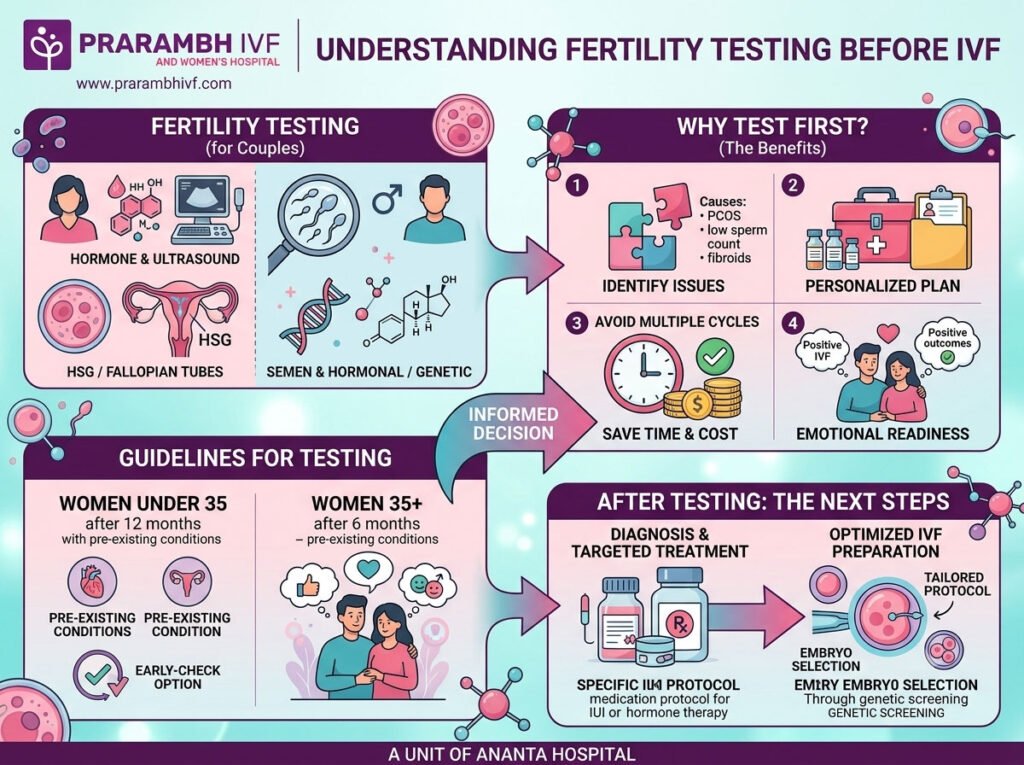
Fertility struggles can be emotionally and physically taxing for couples hoping to conceive. In vitro fertilization (IVF) has emerged as a popular solution for many facing such challenges. However, before jumping into IVF, it is crucial to understand the importance of fertility testing. This testing can provide valuable insights into the underlying causes of infertility and help tailor treatment plans for optimal success.
What is Fertility Testing?
Fertility testing encompasses a variety of evaluations designed to determine a couple’s ability to conceive. It involves assessing both partners to identify any factors that may be contributing to infertility. The tests can include a range of procedures, from blood work and imaging studies to semen analysis and hormone assessments.
Types of Fertility Tests
Fertility tests can be categorized based on who is being tested. For women, common evaluations include:
- Hormone Testing: This involves blood tests to measure hormone levels, such as follicle-stimulating hormone (FSH), luteinizing hormone (LH), estradiol, and progesterone. These hormones play critical roles in regulating the menstrual cycle and ovulation.
- Ultrasound: A transvaginal ultrasound can be used to examine the ovaries and uterus, checking for abnormalities like cysts, fibroids, or polyps.
- Hysterosalpingography (HSG): This X-ray procedure evaluates the shape of the uterus and checks whether the fallopian tubes are open.
For men, common tests include:
- Semen Analysis: This test checks the quantity and quality of sperm, including motility and morphology.
- Hormonal Testing: Blood tests can assess testosterone and other hormone levels that affect sperm production.
- Genetic Testing: In some cases, genetic testing for chromosomal abnormalities can be beneficial.
Why is Fertility Testing Important Before IVF?
Undergoing fertility testing before starting IVF treatment provides several advantages that can significantly impact the success of the procedure. Understanding these benefits is essential for couples considering IVF.
Identifying Underlying Issues
One of the primary reasons for fertility testing is to identify any underlying issues contributing to infertility. Factors such as hormonal imbalances, structural abnormalities, or genetic conditions can impact a couple’s ability to conceive. By pinpointing these issues, healthcare providers can offer targeted treatments that can improve the chances of a successful IVF cycle.
Personalized Treatment Plans
Fertility testing allows for the development of personalized treatment plans. Each couple’s situation is unique, and understanding individual factors can help fertility specialists recommend the most appropriate IVF protocols. Whether it involves using donor eggs, preimplantation genetic testing, or specific hormone treatments, tailored plans increase the likelihood of achieving a successful pregnancy.
Time and Cost Efficiency
Embarking on IVF without proper fertility testing can lead to wasted time and resources. Without understanding the specific issues at play, couples may find themselves going through multiple IVF cycles with limited success. By conducting thorough fertility testing upfront, couples can make informed decisions and save time and money in the long run.
Improving Emotional Preparedness
Fertility testing can also play a role in emotional preparedness. Knowing the reasons behind infertility can help couples come to terms with their situation and set realistic expectations. This understanding can ease some of the anxiety associated with the IVF process, allowing couples to focus on the steps they need to take moving forward.
When Should Couples Consider Fertility Testing?
Determining the right time to seek fertility testing depends on several factors, including age and the duration of infertility. The general guidelines suggest:
- Women under 35 years old should consider testing after 12 months of trying to conceive.
- Women aged 35 and older should seek testing after 6 months of unsuccessful attempts.
- Couples with known medical conditions or a family history of infertility may want to pursue testing earlier.
Consulting a Fertility Specialist
If you are considering fertility testing, consulting a fertility specialist is an essential step. These professionals can guide you through the testing process, help interpret the results, and discuss the most suitable options for treatment. Their expertise is invaluable in navigating the often complex world of fertility.
What Happens After Fertility Testing?
After undergoing fertility testing, couples will receive a comprehensive review of their results. This evaluation can lead to various outcomes:
- Diagnosis and Treatment: If specific issues are identified, couples can explore treatment options geared toward addressing those concerns.
- IVF Preparation: For couples who are appropriate candidates for IVF, the results will help inform the IVF process, including medication protocols and potential adjustments.
- Alternative Options: If testing reveals that IVF may not be the best solution, specialists can recommend alternative routes, such as intrauterine insemination (IUI) or adoption.
Conclusion: The Value of Fertility Testing
Understanding the importance of fertility testing before IVF treatment is essential for couples facing infertility challenges. By identifying underlying issues, creating personalized treatment plans, and improving emotional preparedness, fertility testing can set the stage for a more successful and fulfilling journey toward parenthood. Seeking the guidance of a fertility specialist and taking proactive steps can significantly enhance your chances of achieving a successful pregnancy. The journey may be complex, but with the right support and information, couples can navigate it with confidence.
