
Understanding Premature Ovarian Failure
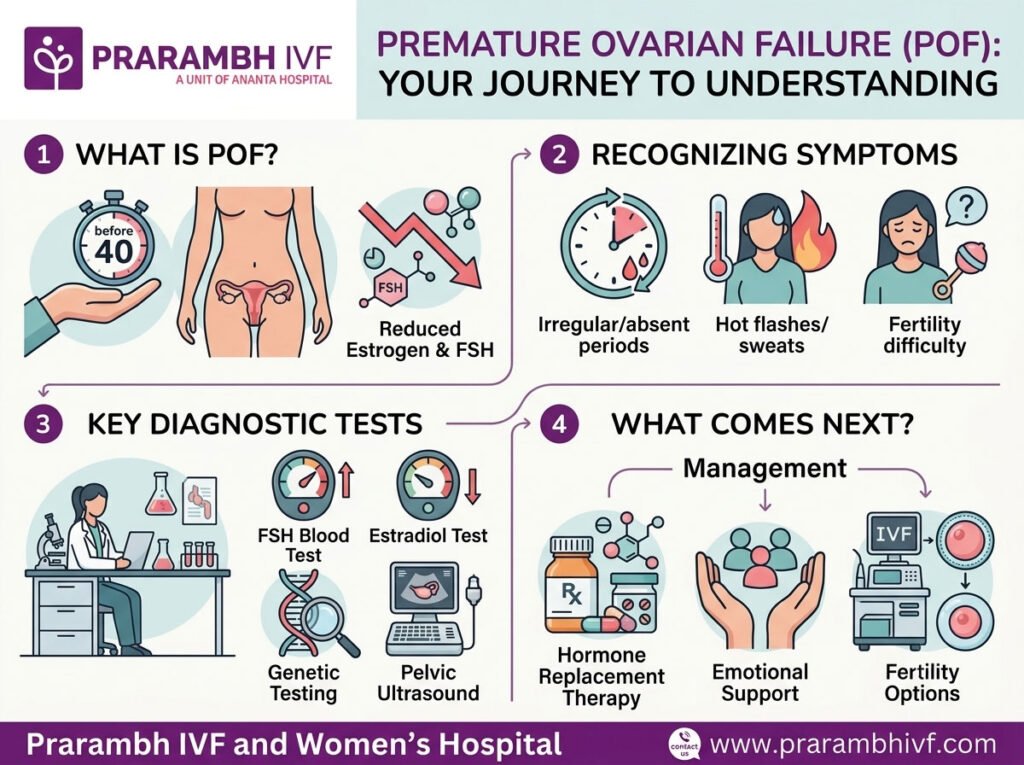
Premature Ovarian Failure (POF), also known as primary ovarian insufficiency, occurs when the ovaries stop functioning properly before the age of 40. This can lead to reduced levels of estrogen and irregular or absent menstrual cycles. For many women, this diagnosis can be both confusing and distressing, given its impact on fertility and overall well-being. Understanding the diagnosis, recommended tests, and potential next steps can empower women facing this medical condition.
Recognizing the Symptoms
Symptoms of premature ovarian failure may resemble those of menopause and can include irregular or absent periods, hot flashes, night sweats, mood swings, and decreased libido. Some women may also experience difficulty in conceiving. If these symptoms present at an early age, it’s essential to consult a healthcare professional for further evaluation.
Diagnosis of Premature Ovarian Failure
The diagnosis of POF involves a comprehensive assessment that typically includes a thorough medical history and physical examination. Physicians often conduct hormone level tests to measure the amount of follicle-stimulating hormone (FSH) and estrogen in the bloodstream. High levels of FSH and low estrogen levels indicate diminished ovarian reserve. Additionally, genetic testing may be recommended in some cases, especially if there is a family history of early menopause or chromosomal abnormalities.
Key Tests for Confirmation
To confirm a diagnosis of premature ovarian failure, a few key tests may be performed:
- FSH Test: Elevated levels, usually above 30 mIU/mL, often indicate that the ovaries are not functioning normally.
- Estradiol Test: Low levels of this estrogen hormone can further confirm ovarian insufficiency.
- Genetic Testing: This may be used to identify any chromosomal abnormalities or syndromes that could contribute to premature ovarian failure.
- Pelvic Ultrasound: This imaging test can evaluate the ovaries’ physical state and help rule out other conditions.
What Comes Next?
After a diagnosis of POF, the next steps are crucial for managing symptoms and addressing fertility concerns. Treatment options might include hormone replacement therapy (HRT) to alleviate menopausal symptoms and protect bone health. For women hoping to conceive, options such as <a href="https://www.prarambhivf.com/services/in-vitro-fertilizationivf/”>in vitro fertilization (IVF) with donor eggs may be discussed, as the quality of a woman’s eggs may significantly decline with POF.
Additionally, regular check-ups and consultations with a fertility specialist can help create a personalized plan tailored to the patient’s needs and circumstances. Emotional support is also vital, as the psychological impact of premature ovarian failure can be challenging. Seeking counseling or joining support groups can provide comfort and understanding during this difficult time.
How Prarambh IVF & Fertility Center Can Help You
At Prarambh IVF & Fertility Center, we understand that a diagnosis of premature ovarian failure can be overwhelming. Our team of experienced fertility specialists is dedicated to providing personalized treatment plans that consider both your physical and emotional health. We take the time to listen and prepare a comprehensive approach tailored to your unique situation, ensuring you feel supported every step of the way.
Our center places a strong emphasis on transparent communication. From initial consultations to follow-up care, we ensure that our patients are informed about their options and what to expect. We provide the resources needed to help you make informed decisions, whether you’re exploring fertility preservation or considering donor egg IVF. Additionally, we recognize the emotional journey that often accompanies fertility struggles, and our team is here to offer compassionate support throughout the process.
Conclusion
If you or someone you know is facing premature ovarian failure, know that you’re not alone. At Prarambh IVF & Fertility Center, we are here to help navigate this journey with expertise and understanding. Reach out to us to learn more about how we can support you and your path to parenthood.
