
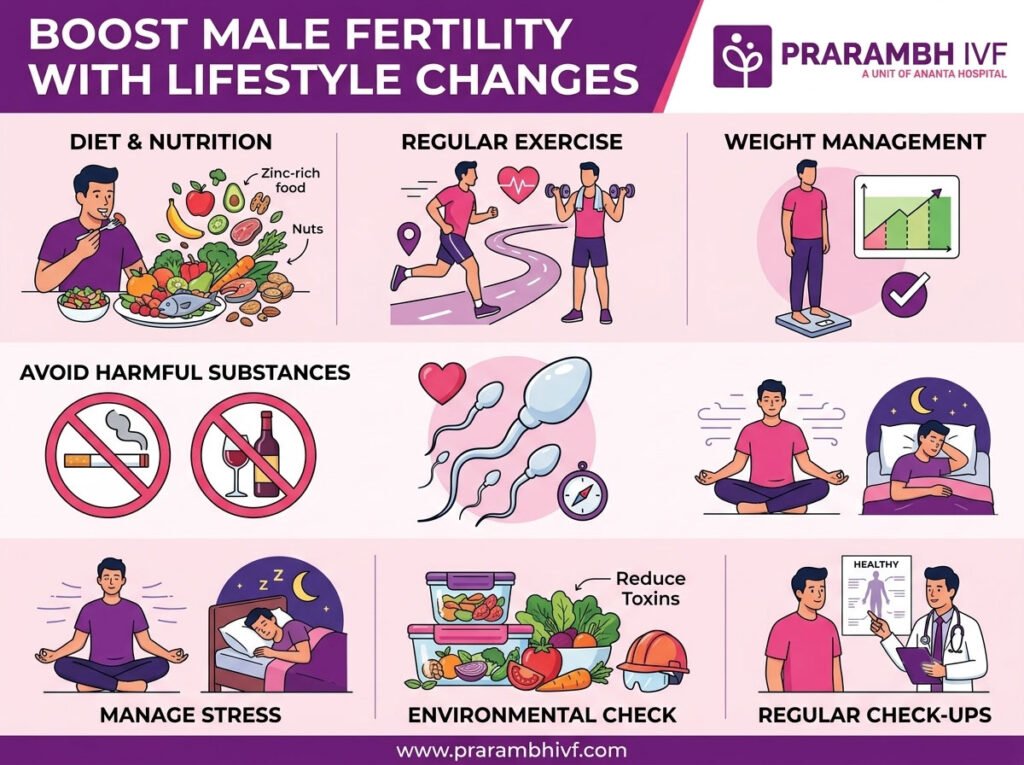
Male fertility is a crucial aspect of reproductive health, yet it is often overlooked in discussions about conception. Factors such as age, genetics, and health conditions play a significant role, but lifestyle choices can also have a profound impact. In this blog post, we will explore how making conscious lifestyle changes can enhance male fertility, providing practical tips and insights for men looking to improve their reproductive health.
Understanding Male Fertility
Before delving into lifestyle changes, it is essential to understand what male fertility entails. Male fertility primarily revolves around the production of healthy sperm, which is necessary for successful conception. Several factors can affect sperm quality, including sperm count, motility (the ability to swim), and morphology (the shape of the sperm).
The Role of Sperm Health
A healthy sperm count typically ranges from 15 million to over 200 million sperm per milliliter of semen. Factors such as hormonal imbalances, environmental influences, and lifestyle choices can significantly affect these numbers. Poor sperm health can lead to challenges in conception, making it imperative for men to consider how their daily habits may be influencing their reproductive capabilities.
Impact of Lifestyle Choices on Male Fertility
Diet and Nutrition
What you eat can have a direct effect on your sperm health. A diet rich in antioxidants, vitamins, and minerals can help improve sperm quality. Foods high in zinc, such as lean meats, nuts, and seeds, are particularly beneficial. Additionally, incorporating fruits and vegetables into your diet can provide essential nutrients that support overall reproductive health.
On the contrary, a diet high in processed foods, trans fats, and sugars can negatively impact fertility. These foods can lead to obesity, which is linked to hormonal imbalances that can impair sperm production.
Exercise and Physical Activity
Regular physical activity is another critical factor in maintaining healthy sperm. Exercise helps regulate hormones, reduces stress, and promotes a healthy weight-all of which are beneficial for fertility. Aim for at least 150 minutes of moderate aerobic activity per week, along with strength training exercises.
However, it is essential to find a balance. Excessive exercise, particularly in endurance sports, can lead to decreased testosterone levels, which can negatively affect sperm production. Moderation is key.
Weight Management
Obesity is a significant risk factor for male infertility. Excess body fat can lead to hormonal imbalances and reduced testosterone levels, ultimately affecting sperm production and quality. Maintaining a healthy weight through a balanced diet and regular exercise can improve fertility outcomes.
If you are struggling with weight management, consider consulting a healthcare professional or a nutritionist who can provide personalized guidance.
Avoiding Harmful Substances
Substances like tobacco, alcohol, and recreational drugs can severely impact male fertility. Smoking has been linked to lower sperm counts and motility, while excessive alcohol consumption can lead to hormonal imbalances and reduced testosterone levels. Similarly, recreational drugs such as marijuana can negatively affect sperm health.
Quitting these substances or significantly reducing their use can lead to improvements in fertility. If you need assistance with cessation programs, many resources are available to help you through the process.
The Importance of Stress Management
Chronic stress can have a detrimental effect on hormonal balance, which is crucial for sperm production. Stress can lead to increased levels of cortisol, a hormone that can negatively impact testosterone levels and overall fertility. Finding effective ways to manage stress is essential for maintaining reproductive health.
Mindfulness and Relaxation Techniques
Practices such as mindfulness, meditation, and yoga can help reduce stress levels. These techniques promote relaxation and can improve overall emotional well-being. Even simple activities, such as spending time in nature, can help alleviate stress.
Quality Sleep
Sleep is vital for maintaining hormonal balance and overall health. Poor sleep patterns can lead to elevated cortisol levels and reduced testosterone production, both of which can adversely affect fertility. Aim for 7 to 9 hours of quality sleep each night to support your reproductive health.
Environmental Factors and Their Influence
In addition to lifestyle choices, environmental factors can also impact male fertility. Exposure to certain chemicals and pollutants can affect sperm quality. It is essential to be aware of your surroundings and take steps to minimize exposure to harmful substances.
Avoiding Endocrine Disruptors
Endocrine disruptors are chemicals that can interfere with hormonal functions. Common sources include plastic containers, pesticides, and personal care products. Opt for glass or stainless steel containers for food storage and choose organic produce when possible to reduce exposure to pesticides.
Maintaining a Healthy Work Environment
If you work in an environment with potential exposure to harmful chemicals, take necessary precautions. Wear protective gear and follow safety guidelines to minimize risks. If possible, discuss concerns with your employer about workplace safety and health policies.
The Role of Regular Health Check-Ups
Regular health check-ups play a crucial role in maintaining overall well-being, including reproductive health. Conditions such as diabetes, hypertension, and hormonal imbalances can all affect fertility. Early detection and treatment of these issues can improve fertility outcomes.
Consulting a Healthcare Professional
If you are experiencing difficulties with fertility or have concerns about your reproductive health, consider consulting a healthcare professional. They can provide personalized advice, conduct necessary tests, and recommend treatment options tailored to your specific needs.
Conclusion
Improving male fertility is often within reach through lifestyle changes. By focusing on a balanced diet, regular exercise, weight management, stress reduction, and minimizing environmental exposures, men can significantly enhance their reproductive health. Each small change can contribute to better sperm quality and an increased likelihood of successful conception.
As awareness of male fertility continues to grow, it is essential for men to take an active role in their reproductive health. By making informed lifestyle choices, you can take significant steps toward improving your fertility and overall well-being.
