
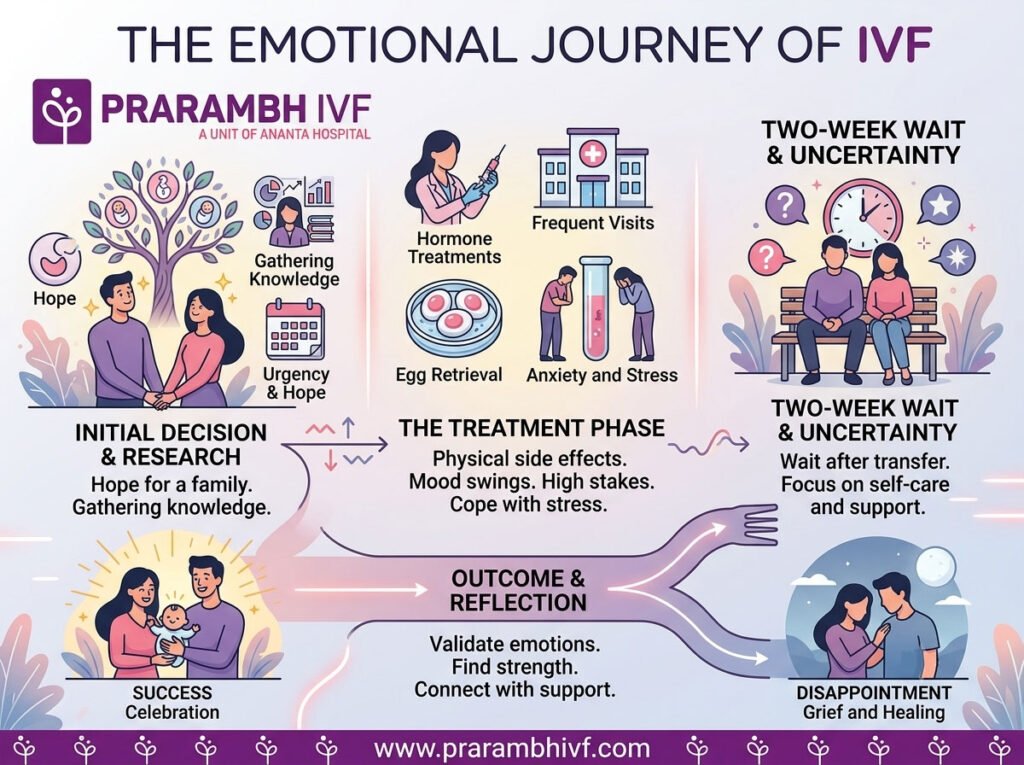
The Emotional Landscape of IVF: A Complex Terrain
In vitro fertilization (IVF) is a significant medical advancement that offers hope to many couples struggling with infertility. However, while the journey can be promising, it is important to recognize and understand the emotional rollercoaster that often accompanies it. The path of IVF is filled with both hope and anxiety, two powerful emotions that can impact individuals and couples in profound ways.
Understanding the emotional journey of IVF is crucial for anyone considering or undergoing this process. It can help in preparing emotionally and mentally, ensuring that you’re not caught off guard by the mix of feelings that may arise. By exploring the emotional aspects of IVF, we can better navigate the ups and downs, and find ways to cope and thrive despite the challenges.
The Initial Decision: Hope Springs Eternal
The decision to pursue IVF is often filled with optimism. For many, it represents a new chapter and a chance to achieve a long-held dream of parenthood. This initial stage is characterized by hope and excitement, as couples imagine the possibility of bringing a new life into the world.
However, this hope is often accompanied by a sense of urgency and the pressure to succeed. The emotional investment is significant, and the stakes are high. Understanding how to balance hope with realistic expectations is vital to maintain emotional well-being during this phase.
Research and Consultation: Gathering Knowledge
Once the decision is made, the next step often involves extensive research and consultations with fertility specialists. This phase is about gathering as much knowledge as possible, which can be both empowering and overwhelming. Understanding the medical aspects of IVF, from hormone treatments to egg retrieval, can bring reassurance but may also heighten anxiety as the complexities of the process become apparent.
During this time, it’s important to ask questions and seek clarity from medical professionals. Having a solid understanding of what lies ahead can mitigate some uncertainties, providing a sense of control and preparedness.
The Treatment Phase: Riding the Emotional Waves
The treatment phase is where hope and anxiety can intensely collide. The physical demands of IVF, including hormone injections and frequent clinic visits, can be taxing. The emotional weight of each step, from egg retrieval to embryo transfer, is substantial.
Coping with Physical and Emotional Stress
The physical side effects of IVF treatments can exacerbate emotional stress. Fatigue, mood swings, and general discomfort can make it difficult to stay positive. Understanding that these reactions are normal can help manage expectations and reduce self-blame.
It’s crucial to develop coping strategies during this period. Whether through mindfulness, support groups, or individual therapy, finding ways to manage stress and anxiety can make a significant difference in navigating the emotional journey of IVF.
Hope and Uncertainty: The Two Pillars
As treatments progress, hope remains a constant companion. However, it often sits alongside uncertainty. The waiting periods, particularly the two-week wait after embryo transfer, can be emotionally draining. Understanding how to balance these two emotions is key to maintaining mental health.
During these times, staying connected with a support network can provide comfort. Sharing feelings with loved ones or others who have experienced IVF can offer reassurance and reduce feelings of isolation.
The Outcome: Navigating Success or Disappointment
The outcome of IVF, whether positive or negative, brings its own set of emotional challenges. A successful pregnancy is a cause for celebration, yet it may also come with lingering anxiety about the health of the pregnancy, especially after such an emotionally charged journey.
Conversely, an unsuccessful cycle can lead to profound disappointment and grief. Understanding that these feelings are valid and part of the process is essential. It’s important to allow space for these emotions, acknowledging the loss and seeking support when needed.
Reflecting on the Journey
Regardless of the outcome, reflecting on the IVF journey can be a healing process. Understanding the strength and resilience developed throughout can be empowering, providing a sense of closure or preparation for future attempts.
Many find it helpful to journal their experiences or engage in creative outlets to process emotions. These reflections can offer insights into personal growth and help in setting future goals, whether related to family building or other life aspirations.
Conclusion: Embracing the Emotional Journey of IVF
Understanding the emotional journey of IVF is an essential part of navigating this complex process. By acknowledging the hope and anxiety inherent in IVF, individuals and couples can better prepare for the challenges and embrace the journey with an informed perspective.
Emotional resilience is crucial, and seeking support from professionals, loved ones, and peer communities can provide the strength needed to endure the ups and downs. While the path of IVF may be unpredictable, the lessons learned along the way can lead to personal growth and a deeper understanding of perseverance and hope.
